Last updated on February 21st, 2025 at 01:13 pm
Have you ever thought about moving to a regional town in Australia?Living in regional Australia has its own pace—one that’s calm, grounded, and deeply connected to nature. While you might trade big-city conveniences for a simpler lifestyle, the strong sense of community and the beauty of the countryside make it an experience worth considering.
I moved to Australia at 20 to pursue further education, and this November 2024 marks my 12th year in the land down under. I’ve lived in several cities and towns across Australia: spending a solid nine years in Queensland in places like Brisbane, the Sunshine Coast, Rockhampton, and Tweed Heads. Then, I moved to New South Wales, living in Wollongong and now in the regional city of Dubbo. Life in rural Australia is such valuable experience for me.


Living in regional Australia: pros and con of countryliving?
Dubbo isn’t my first experience in a regional town, but living here for a while has given me a richer perspective on country life. There are both pros and cons to country living, and much of it comes down to personal preference. Life in the countryside has changed my outlook, showing me that happiness often lies in the simplest things.
Dubbo is a city located in the Orana Region of New South Wales, Australia, and serves as the largest population hub in the area. Situated on the Macquarie River, Dubbo is approximately 398 kilometers from Sydney, with an estimated driving time of about 5 hours and 15 minutes.
Dubbo’s attractions include the Taronga Western Plains Zoo; nearby are the Wellington Caves, Warrumbungle National Park, and the Mudgee vineyards.
Set in the vast western plains of NSW, Dubbo embodies the spacious spirit of rural Australia.
What I like about living in the country
Living in a rural area offers excellent opportunities to learn about history through access to historical sites, buildings, and architecture. These areas are often home to well-preserved structures and landmarks that reflect the heritage and stories of past eras, providing a tangible connection to history that cities may not offer as easily.
Rural towns are often overlooked when it comes to exploring Australia’s history, yet they offer a wealth of cultural and historical insights that can’t be found in the bustling cities.
Rural towns feature well-preserved 19th-century buildings, offering a glimpse into Australia’s colonial past. Towns like Bathurst and Goulburn are home to historic courthouses, homesteads, and churches.

Country living: peace and beauty
Living in the countryside offers a level of peace and quiet that feels like a luxury compared to the constant buzz of city life. Waking up to the gentle sounds of birds chirping and cows mooing is a soothing start to the day, and as night falls, I can hear frogs and insects take over. As an introvert, I treasure my downtime and country living allows me to embrace a slower pace, where I can take the time to admire a beautiful flower or simply listen to the birds. I love the fresh and clean air.
And the stars—yes, many stars; I can step out into my front yard and enjoy stargazing under the dark night sky right from home.
If you love nature and scenic landscapes, the countryside in NSW offers stunning national parks and beautiful wineries. Just a short drive—around 1.5 to 2 hours from Dubbo—will take you to picturesque national parks or vineyards in places like Mudgee and Orange. It’s the perfect way to spend a weekend, whether camping in the Warrumbungle National Park or enjoying a day trip to a winery in Mudgee.


For those interested in exploring more activities or discovering things to do in the regional areas of NSW, feel free to click here for more details
Driving in countryside:
Unlike the chaotic traffic in big cities like Melbourne or Sydney, where you can be stuck for 30-40 minutes, getting around in a rural town or city is so much easier. Travel within town often takes just 10 minutes from one place to another, and finding parking is never an issue.

Driving to nearby towns from Dubbo is a journey through beautiful landscapes, with roads winding through scenic stretches of farmland, grazing cattle, sheep, and wide-open fields. Heading toward Nyngan, the route is lined with vast cotton fields, then golden wheat. Taking the road to Wellington or Orange, you’ll pass by expansive cattle farms.


Farmer markets, local produce
If you’re a fan of fresh produce, country living is perfect for you. You can buy directly from local farmers at farmers’ markets in places like Orange or Dubbo, or you’ll often find random roadside stands selling fresh honey, eggs, and other goodies. I love visiting farmers’ markets, especially when there are food stalls and live music—it’s a great way to enjoy the local vibe.
Local culture
There aren’t any large museums, art galleries, theaters, or libraries. Instead, community events like country shows, rodeos, music festivals, and regional galleries bring culture to the area.

You might be surprised by the vibrant music scene in some country towns/regional cities, and Dubbo is no exception. The town is blessed with several great pubs and bars where live music is often paired with fantastic lunch or dinner menus. Local favorites include the Old Bank Restaurant & Bar, Commercial Hotel, Pastoral Hotel, Crossroads Hotel, The Monkey Bar, and Dubbo RSL Club Resort. These spots are perfect for catching up with mates, enjoying live performances, or having a game of pool.
I really enjoy a country pub in Collie, about a 1.5-hour drive from Dubbo, check out their websire Collied hotel
What makes country living challenging?
Many of us will wonder what are the challenges of living in rural Australia before moving rural?Living in the countryside can be incredibly rewarding, but it also comes with a unique set of challenges that might not be immediately obvious to newcomers. Here’s a closer look at some of the downsides:
Town Gossip
In small towns, everyone knows everyone else, and privacy can be hard to maintain. Gossip is a common feature, and personal matters can easily become public knowledge. While this might foster a sense of community, it can also feel intrusive, with local events and personal lives quickly becoming the topic of conversation.
Limited Food and Grocery Options

Choices at local grocery stores are often limited compared to those in urban areas. You may find fewer options for international foods, specialty ingredients, or diverse dietary needs, which can make meal planning more restrictive. Grocery stores may also be further apart, making regular shopping trips more of an effort.
Feelings of Loneliness
Country living can feel isolating, particularly if you live alone. Smaller populations mean fewer social events and clubs, and meeting new people can be a challenge.
Reduced Access to Healthcare
Medical facilities are usually fewer and farther between, with specialized services typically located in the nearest major city. Routine checkups, urgent care, or specialized treatments often require long drives. Limited healthcare access can also mean longer wait times for appointments and fewer options in choosing providers. For example, trip to Orange or Sydney are often required if you need major surgeries or health examinations.
Scarce Public Transportation
Public transport options are often minimal or non-existent in rural areas, making owning a car essential for getting around. Daily errands, like going to the store or attending appointments, rely heavily on personal transportation, which can become costly and inconvenient, especially for those who don’t drive.
Fewer Social Activities and Groups
While there may be occasional community events like fairs or church gatherings, the range of social activities is generally limited. Those accustomed to a wide array of social events, such as classes, clubs, or concerts, may find it challenging to maintain a vibrant social life. Without a variety of activities or groups to join, staying socially active requires more creativity and planning.

The Need for Self-Reliance
Rural living demands a certain level of independence and planning. For instance, trips to get supplies or fuel may need to be carefully scheduled, as some shops and services may have limited hours. Whether it’s for handling a power outage or dealing with a sudden repair, living in the country means being prepared for unexpected situations.
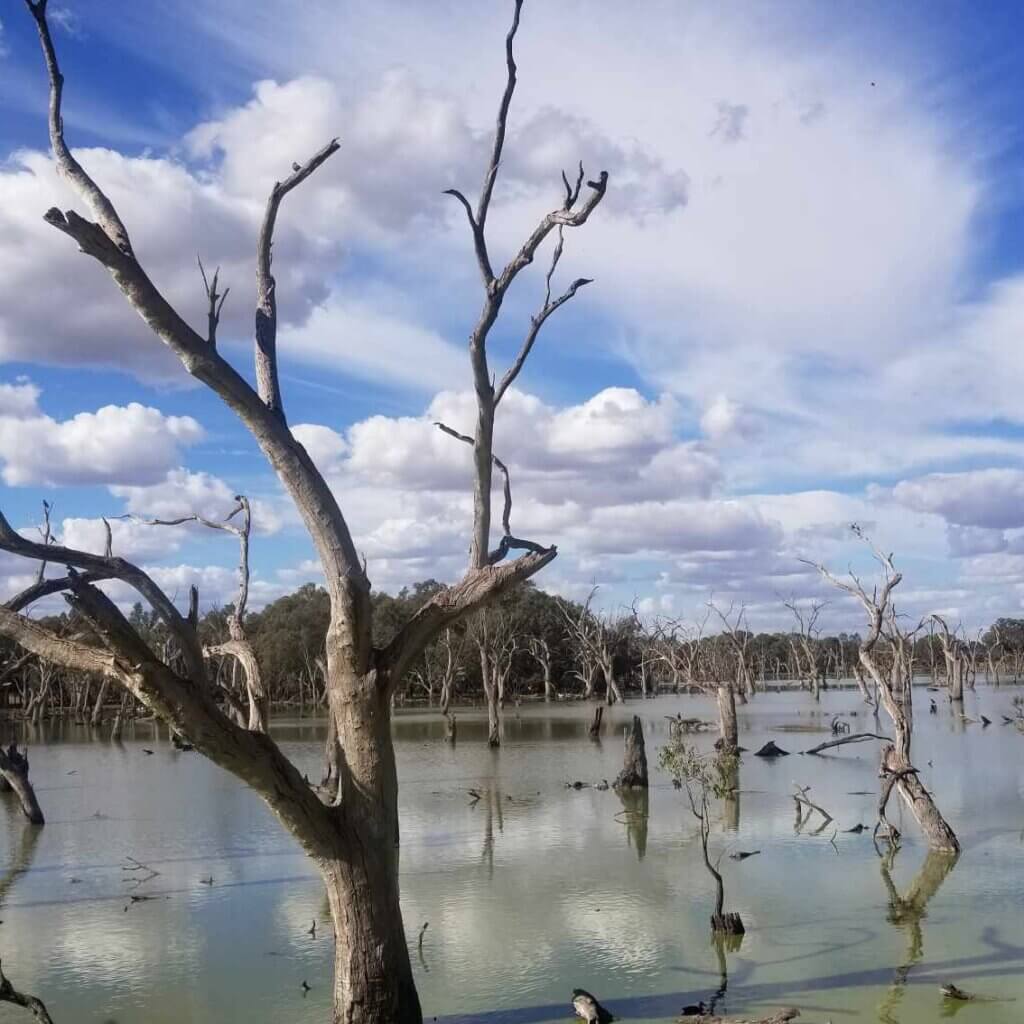
While country living has its undeniable charms, these considerations highlight the importance of weighing the trade-offs to determine if this lifestyle truly suits you. Country living in australia have both pros and cons.
In the end, country living has its ups and downs, but it’s an experience I cherish. Despite the challenges—like limited amenities, fewer social opportunities, and a slower pace—I’ve found that life in the countryside keeps me grounded and lets me fully appreciate the beauty around me. Regional Australia have the peace, simplicity, and connection with nature make it a fulfilling choice that brings out the best of what rural life has to offer.Ultimately, choosing country life comes down to personal preference, and it does require a few sacrifices. For those willing to adapt, the rewards can far outweigh the compromises.

Are you planning to go Perth, click HERE for more information 🙂