Things to Do in Kyoto and Osaka: A Personal Japan Travel Guide
Japan had been on my travel list for a long time, and for this trip I wanted to experience a little bit of everything — traditional Kyoto, beautiful nature, Japanese culture, matcha, local food, small fishing villages and finally the bright, energetic streets of Osaka.
Seen their 7/11 with variety of goodies, drinks, sushi rolls, rice, coffee, and smoothies and their famous egg and ham sandwiches are yummy.
I travelled in July, which also meant learning very quickly that Japanese summer is hot and humid! 😅
My solution was to change the way I travelled. On most sightseeing days, I was out of the hotel around 5–6am, exploring while it was cooler and quieter. Around the middle of the day, I would return to the hotel for a shower and some rest, then head out again in the late afternoon or evening.
So, here is my 6-day Kyoto and Osaka itinerary, including what I saw, what I ate, and a few things I wish I had known before the trip.
Day Destination Highlights
Day 1 Kyoto KIX → Kyoto → Kyoto Station → Kyoto Tower
Day 2 Arashiyama Bamboo Grove → Tenryu-ji → Togetsukyo → Onsen
Day 3 Kyoto + Uji Fushimi Inari → Uji → Matcha → Kiyomizu-dera → Gion walking tour
Day 4 Northern Kyoto Amanohashidate → Ine Fishing Village
Day 5 Kyoto Nishiki Market → Kawaramachi → Teramachi → Daiso
Day 6 Osaka Kuromon Market → Dotonbori → Shinsaibashi → Hozenji
Day 1 — Sydney → Kansai Airport → Kyoto
My Japan adventure started with a flight from Sydney to Kansai International Airport (KIX).
I arrived at around 8pm, so by the time I went through immigration, collected my luggage and sorted out transport, it was already quite late.
One of the first things I recommend getting is an ICOCA card. It makes travelling around Kyoto and Osaka much easier, as you can use it on trains, buses and subways without having to buy a separate ticket every time.
From Kansai Airport, you can take the Haruka Limited Express to Kyoto, which takes around 75–80 minutes. However, because I arrived quite late, I decided to take the limousine bus instead. You can ask the airport staff where to catch it and which bus to take — they were very helpful.
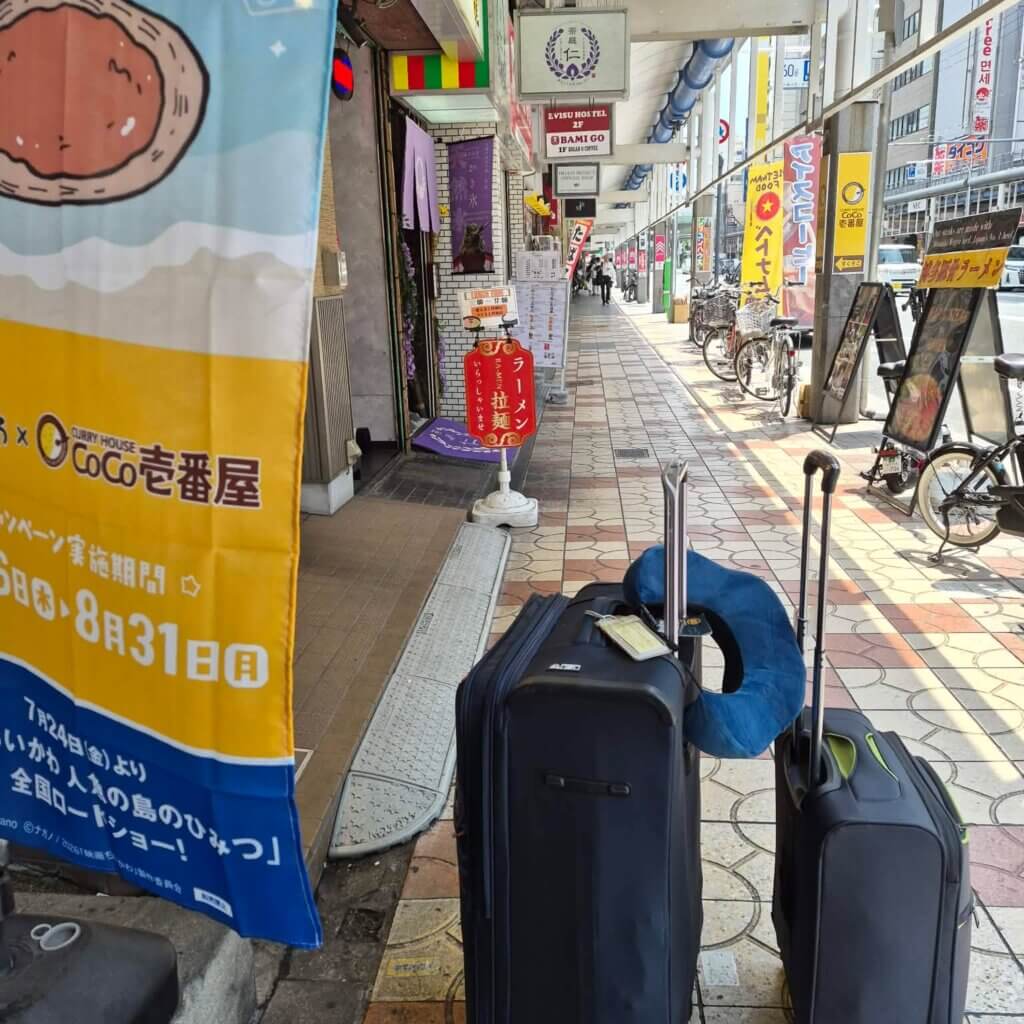
I stayed at Hotel IL VERDE Kyoto. I chose it because Google Maps showed it as only about a 15-minute walk from Kyoto Station. But in reality, it felt more like a 20–30 minute walk, especially with luggage. So, if I could choose again, I would probably stay somewhere closer to Kyoto Station. One lesson from my first Japan trip: don’t always trust the walking time on Google Maps!
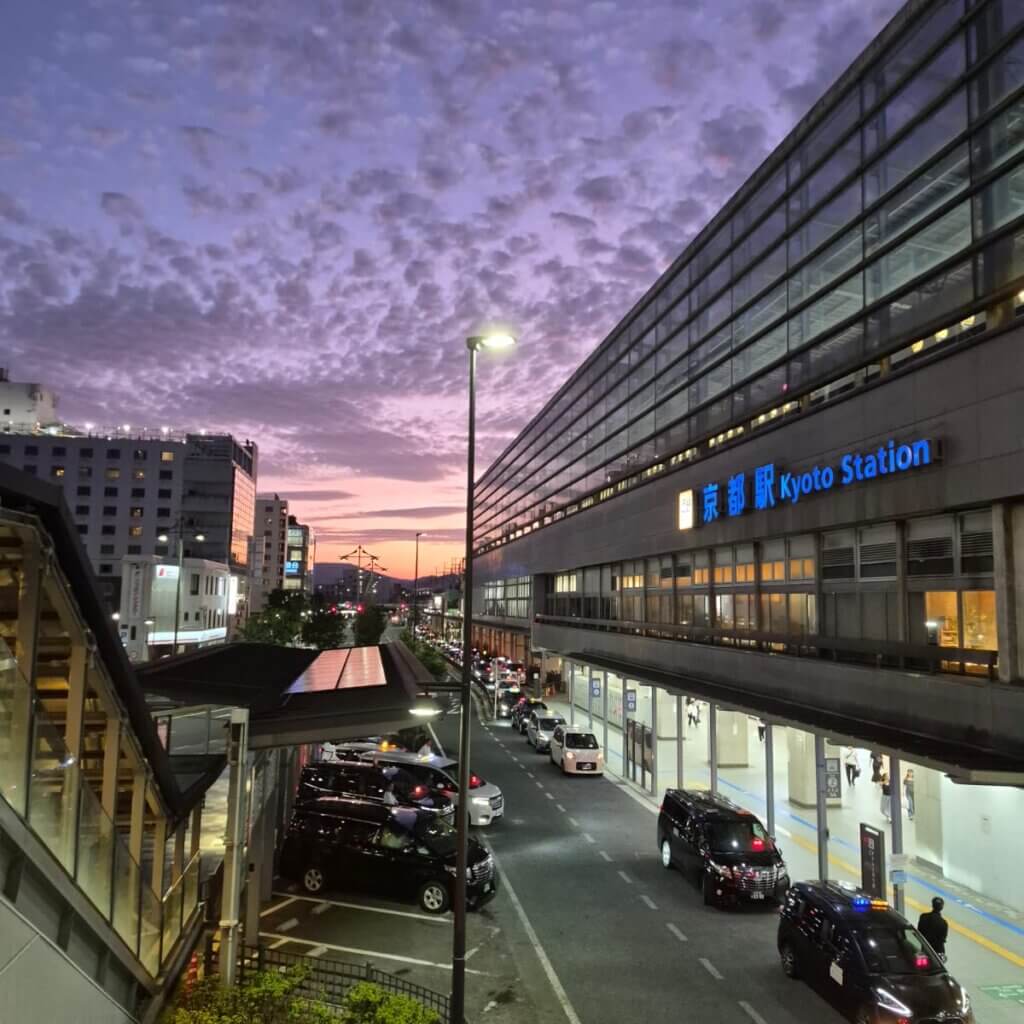
After travelling all day, I didn’t try to do too much on my first night. I had a quick look around Kyoto Station, saw Kyoto Tower lit up at night and grabbed something to eat before heading to bed.
I knew I had a very early start the next morning!
Day 2 — Arashiyama: Bamboo, Temples 🎋
I started my first full day in Kyoto a little later than I planned — around 8am. I was still tired from the long-haul flight and all the travelling the day before, so I gave myself a bit of extra sleep.
I headed to Arashiyama from Kyoto Station and took the JR Sagano Line to Saga-Arashiyama, which took around 17 minutes.
🎋 Arashiyama Bamboo Grove
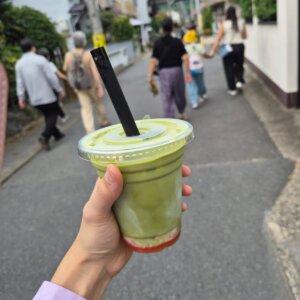
Before heading into the bamboo grove, I grabbed myself a strawberry matcha. It was a pretty good way to start the morning.
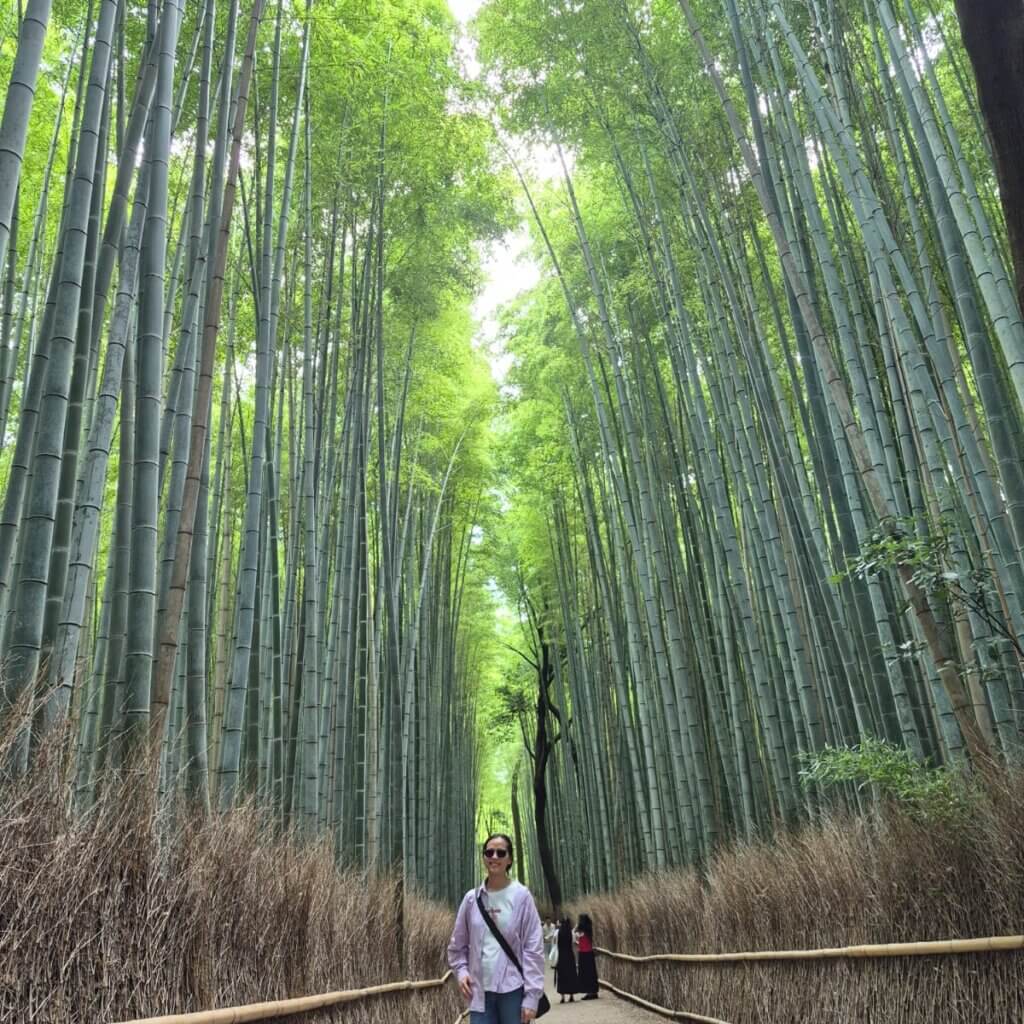
Walking into the bamboo grove felt a little surreal. The tall green bamboo surrounding the pathway created such a peaceful atmosphere. For a moment, it felt like I could leave all my worries behind and just enjoy being there, surrounded by nature.
I was actually expecting it to be much more crowded, but there were fewer tourists than I thought — perhaps because I visited during the hot summer months, which isn’t the most popular time to visit Kyoto.
Even though I didn’t make it there super early, I was still glad I went in the morning. Kyoto’s summer heat and humidity can be quite intense, and I can’t imagine how much harder it would feel later in the day with even more people around.
It was a simple morning, but one of those moments where I just slowed down and enjoyed where I was.
⛩️ Tenyu-ji
Things to do in Kyoto
Things to do in Kyoto
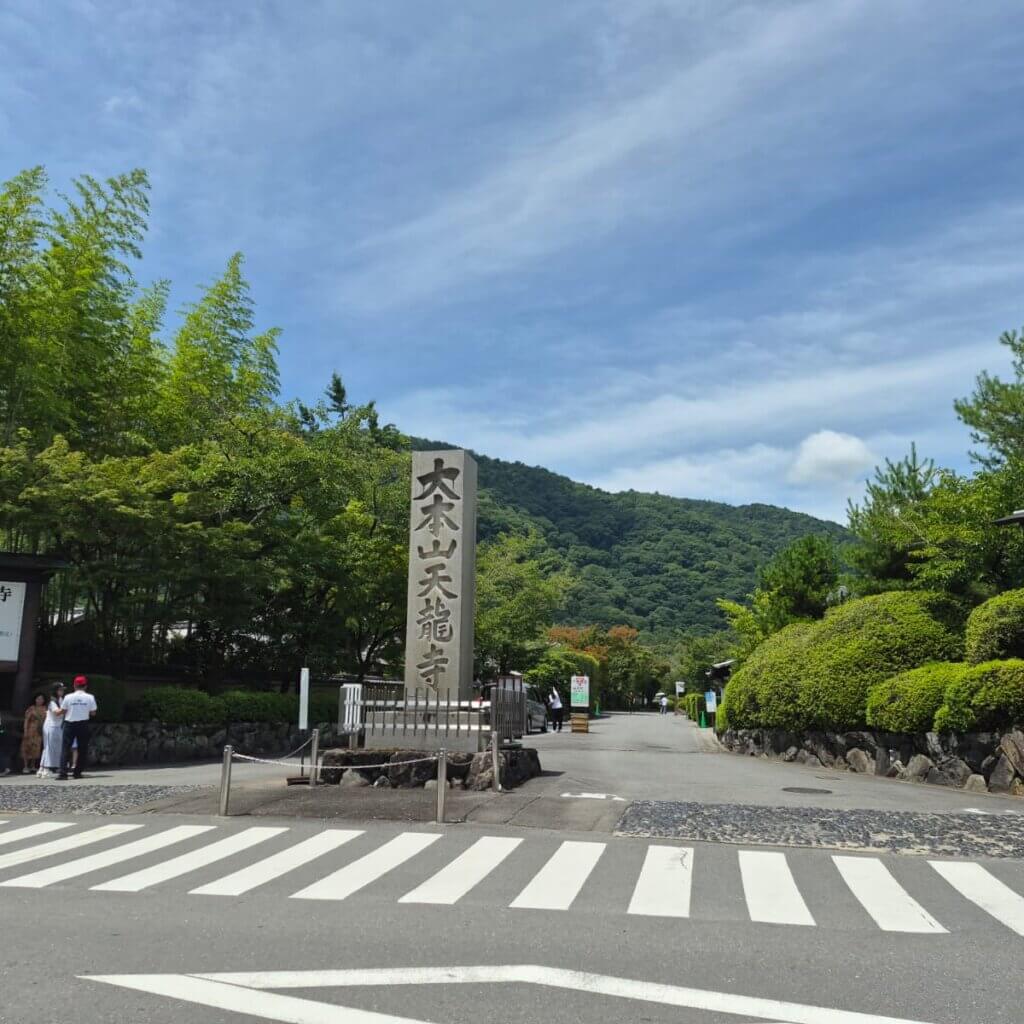
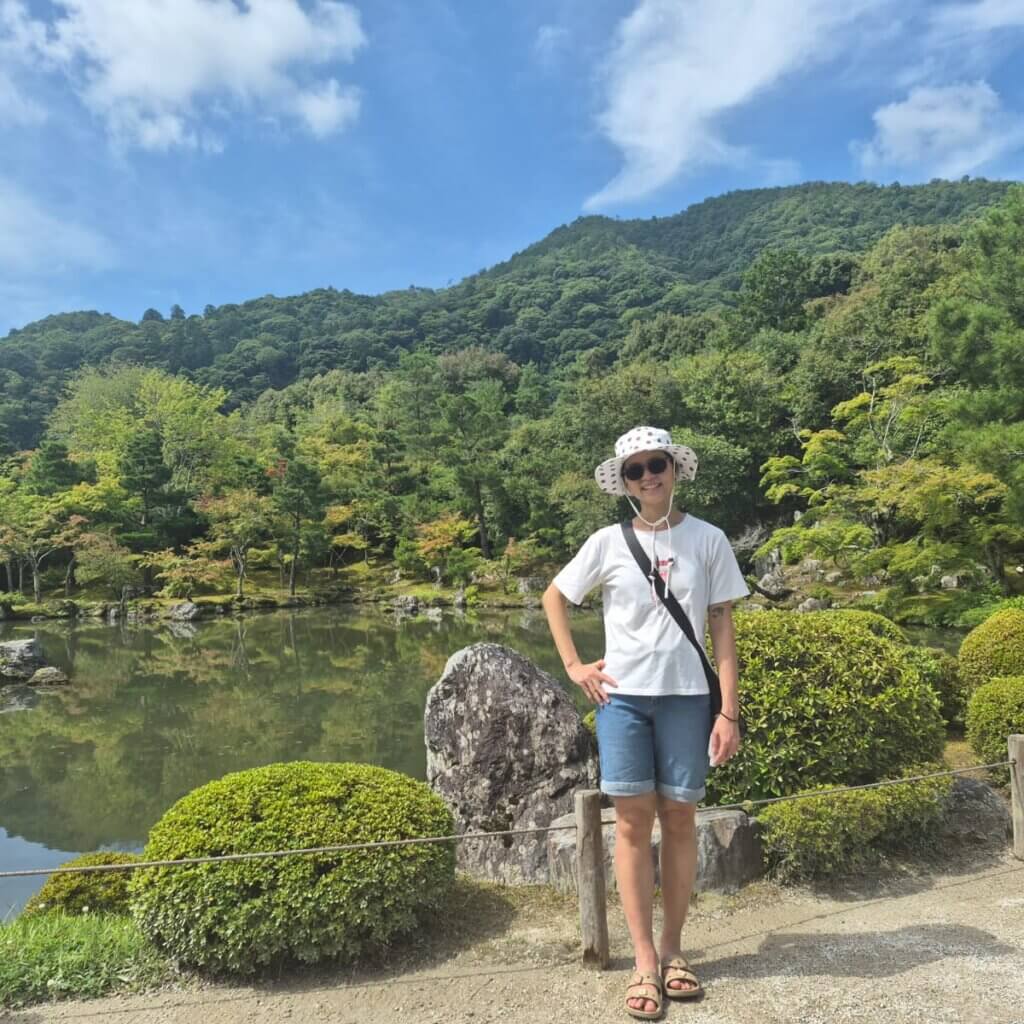
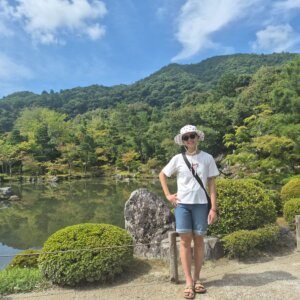
From the bamboo grove, I continued to **Tenryu-ji Temple**.
I really liked the contrast between the traditional Zen architecture and the peaceful gardens. After walking around the busy parts of Kyoto, it was nice to slow down and enjoy a quieter place.
Best places to visit in Kyoto
Arashiyama Bamboo Grove
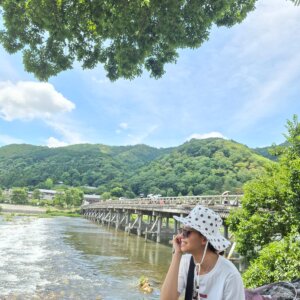
From there, I walked towards **Togetsukyo Bridge**.
The river, mountains and greenery around the bridge made it one of my favourite places in Arashiyama. I stopped quite a few times just to take photos and enjoy the scenery.
While I was there, I met a young girl from Taiwan who had come to Japan to study Japanese for a short course. We started chatting and ended up spending the whole morning travelling around together.
We helped each other take photos, which was actually really nice when travelling solo. Sometimes you meet people while travelling and unexpectedly share part of the day together.
By lunchtime, though, the summer heat was really starting to kick in. She decided to head back to her hotel to rest, while I continued exploring.
🍜 Soba, Tempura & Japanese Beer
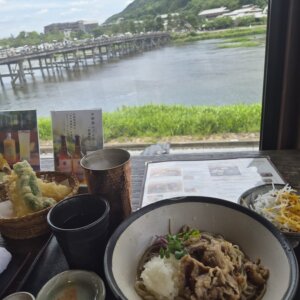
I stopped at **Arashiyama Yoshimura**, a well-known riverside soba restaurant famous for its handmade buckwheat noodles and views of the river and Togetsukyo Bridge.
There was a queue, but I only waited around 15–20 minutes, which wasn’t too bad.
I ordered handmade soba, tempura and a Japanese beer. After walking around all morning, it tasted even better.
Another Japanese meal, another happy stomach. 😋
After lunch, I grabbed a takeaway coffee to try Japanese coffee. Honestly, I didn’t find it too different from Australian coffee, but this one was quite strong — which I actually liked.
I wandered around the shops afterwards, checking out the cute souvenir stores. There were lots of little Japanese-style gifts and character products, including some Miffy items if you’re a Miffy fan.
Togetsukyo Bridge
Arashiyama Yoshimura
Best places to visit in Kyoto
### ♨️ And my onsen plan…
My plan for the evening was to go to an onsen.
But after a full day walking around in the Kyoto heat, I was completely exhausted. In the end, I gave up on the onsen and went back to the hotel to rest.
I guess I’ll have to save the onsen experience for my next trip to Japan!
Day 3 — Fushimi Inari, Uji, Higashiyama & Gion
This was probably my busiest day in Kyoto-Things to Do in Kyoto and Osaka
I was up very early and left the hotel at around 5:10am. My first stop was 7-Eleven for a morning coffee and a few snacks before starting the day.
Things to do in Kyoto
Kyoto travel tips
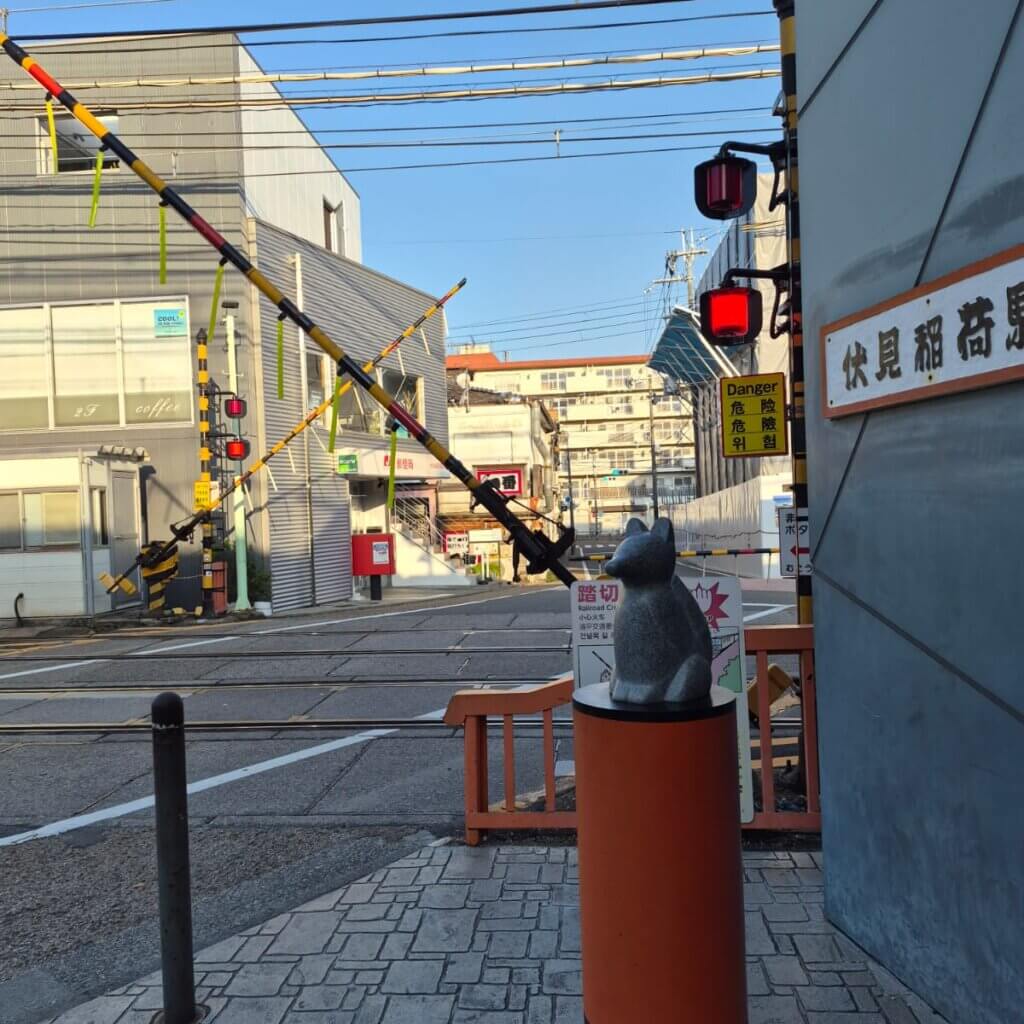
⛩️ Fushimi Inari Taisha
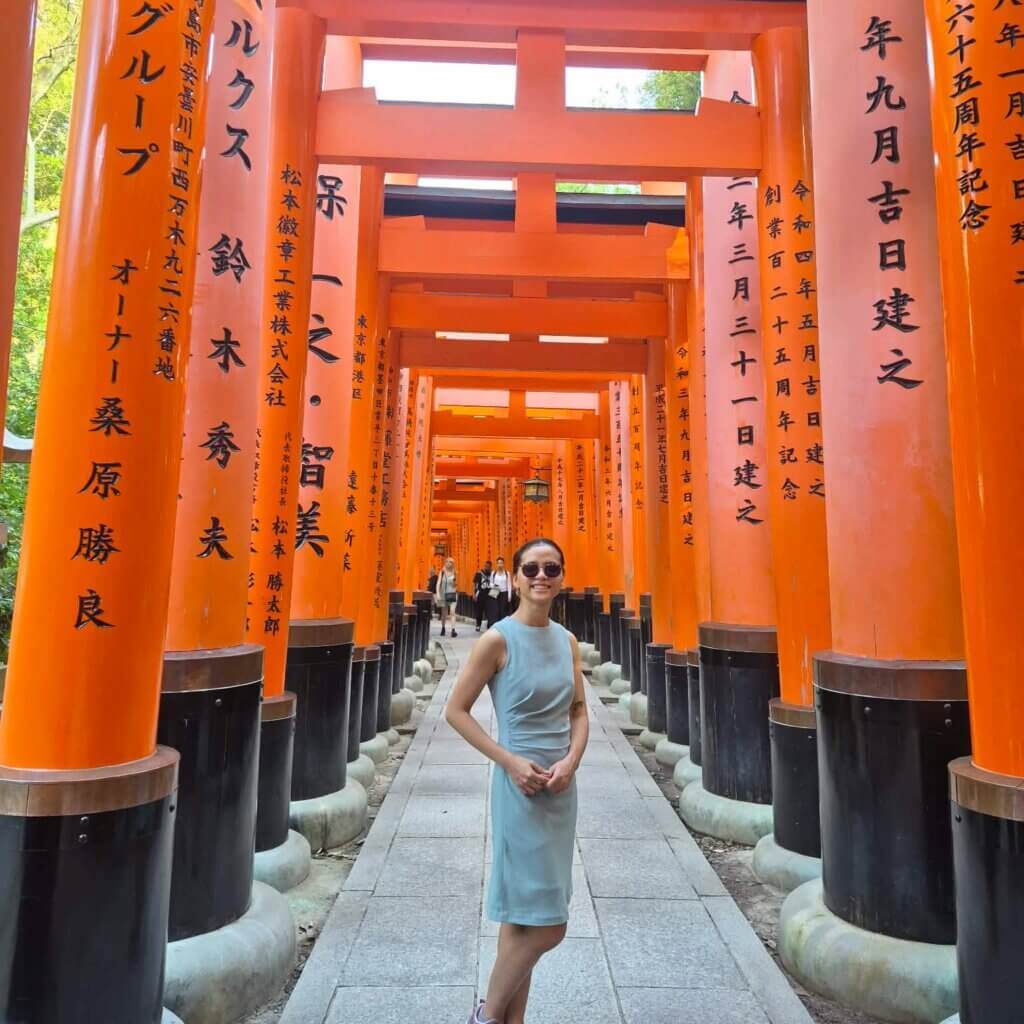
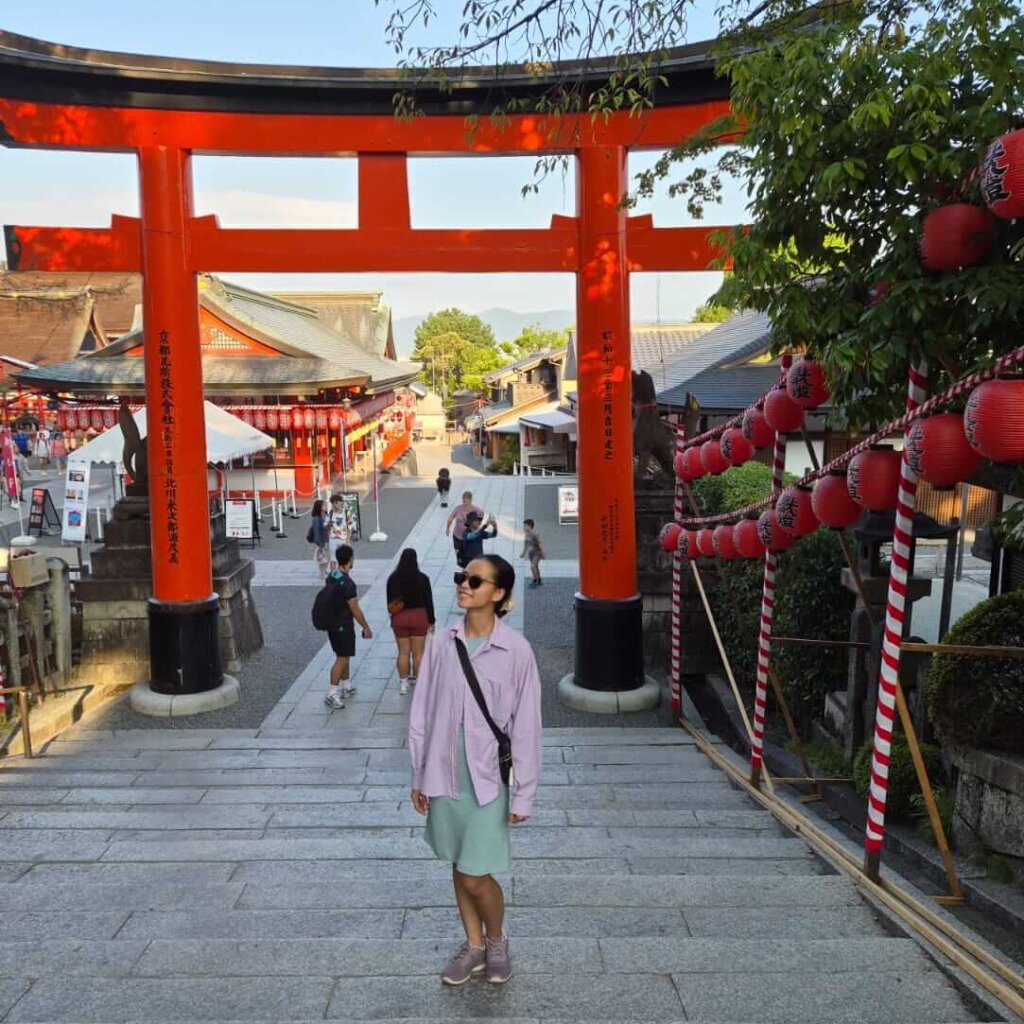
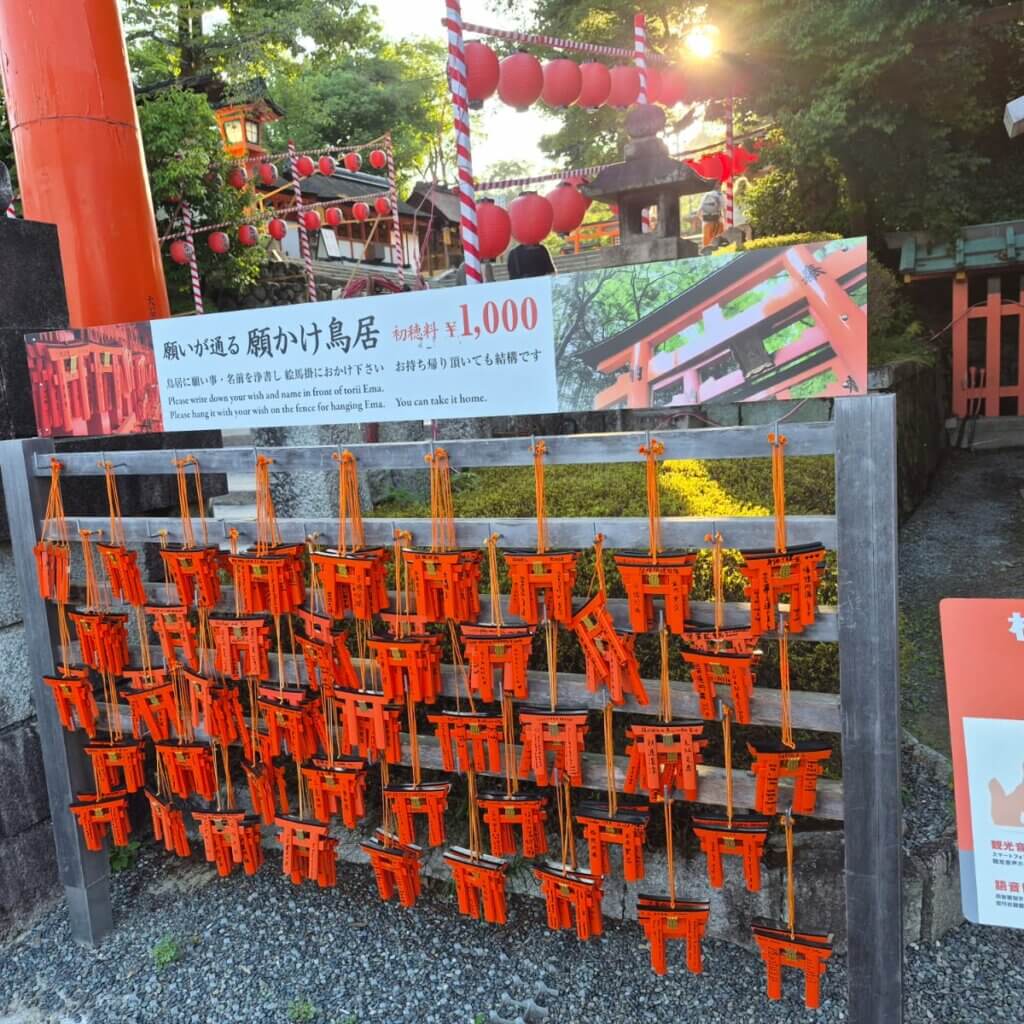
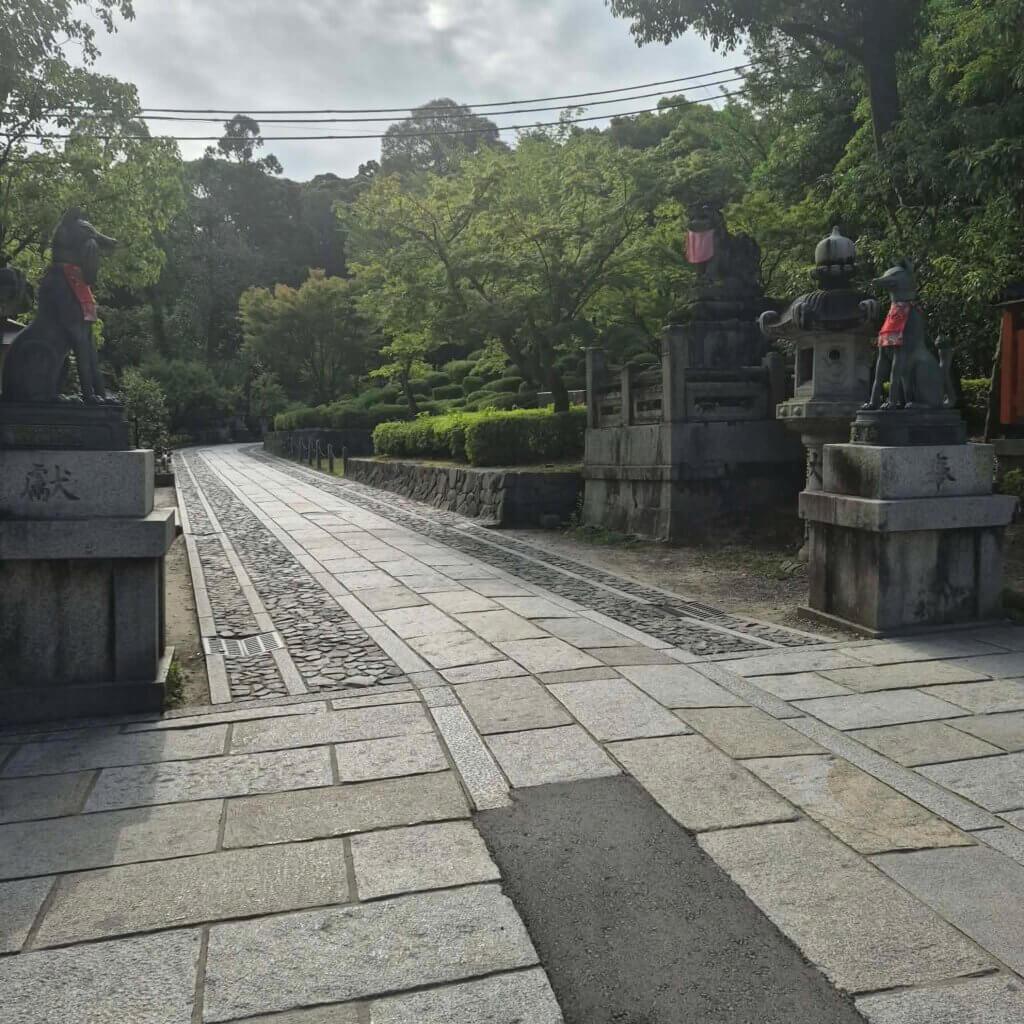
My first stop was Fushimi Inari Taisha, famous for its thousands of orange torii gates winding up Mount Inari.
From Kyoto Station, the JR Nara Line takes only about 5 minutes to get there.
Going early was definitely worth it.
The entrance area was already starting to get busy, but once I walked further up the mountain, the crowds became much thinner and everything felt much more peaceful. There were plenty of beautiful spots along the way to stop for photos.
I decided to walk all the way to the top. It took me around two hours, including stopping for photos and enjoying the views.
By the time I came back down, it was around 8:30am, and wow… there were so many more people arriving. The entrance area was getting almost packed. That’s when I was really glad I had made the effort to get there early.
A Few Things I Learned at Japanese Shrines
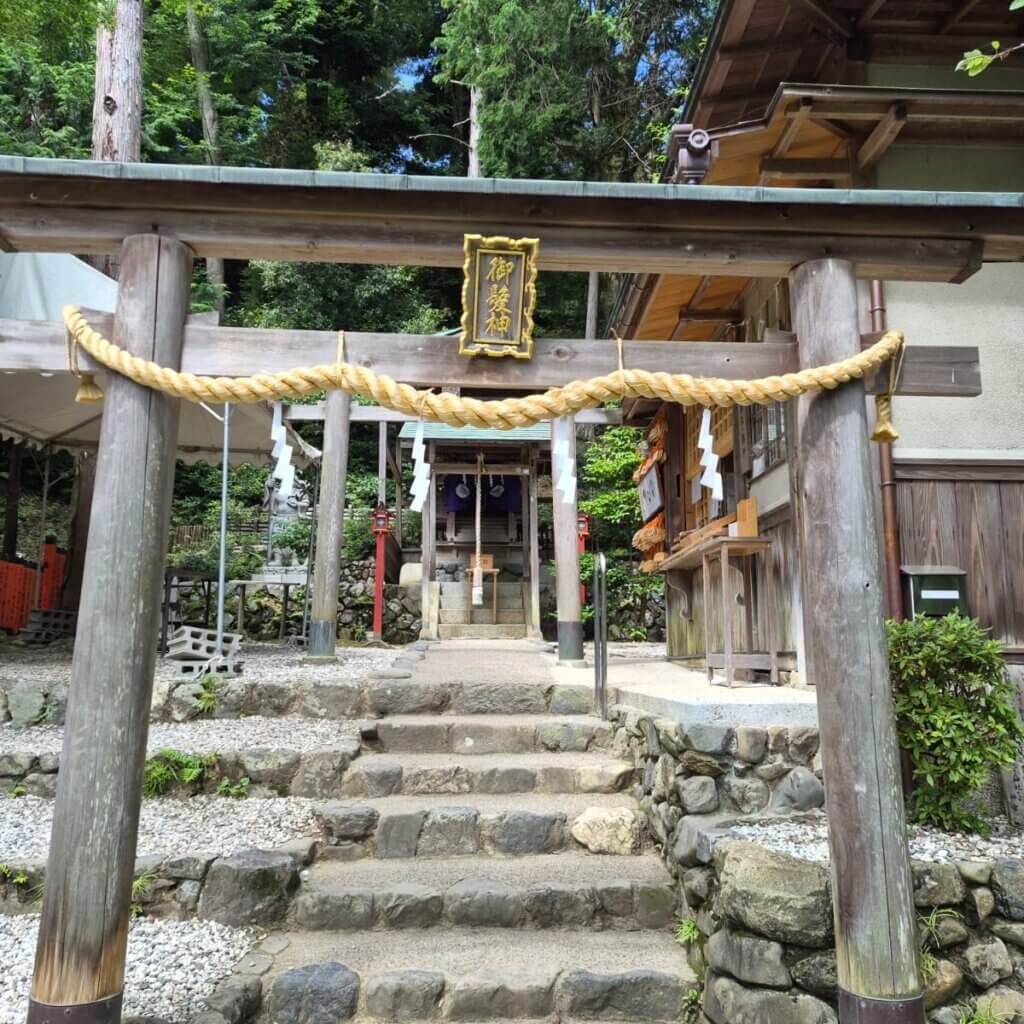
Japanese shrines, known as jinja, are places of worship in Shinto, Japan’s indigenous religion. Shinto is closely connected to nature, ancestral traditions and the belief in kami — sacred spirits or divine presences associated with mountains, rivers, trees and other parts of the natural world. Buddhism, on the other hand, is generally practised in temples, although the two traditions have influenced each other throughout Japanese history.
Fushimi Inari Taisha
I wasn’t completely sure how to bow or pray at a Shinto shrine, but most shrines have signs showing the steps, so visitors can simply follow along. The usual ritual is quite simple: first, throw a small coin into the offering box, then bow twice, clap your hands twice, make a quiet wish or prayer, and bow once more. There is often also a small water pavilion where you rinse your hands and mouth before approaching the shrine.
One thing I noticed was the rabbit symbol at some shrines. At first, I wondered why there were rabbits everywhere. In Japanese culture, rabbits can represent good luck, prosperity and moving forward, while some shrines have a special connection to rabbits through local legends or particular deities. I found these little details fascinating. They reminded me that visiting a shrine is not only about beautiful buildings and taking photos; there is often a deeper story behind the symbols, rituals and traditions.
🍓 Time for some mochi
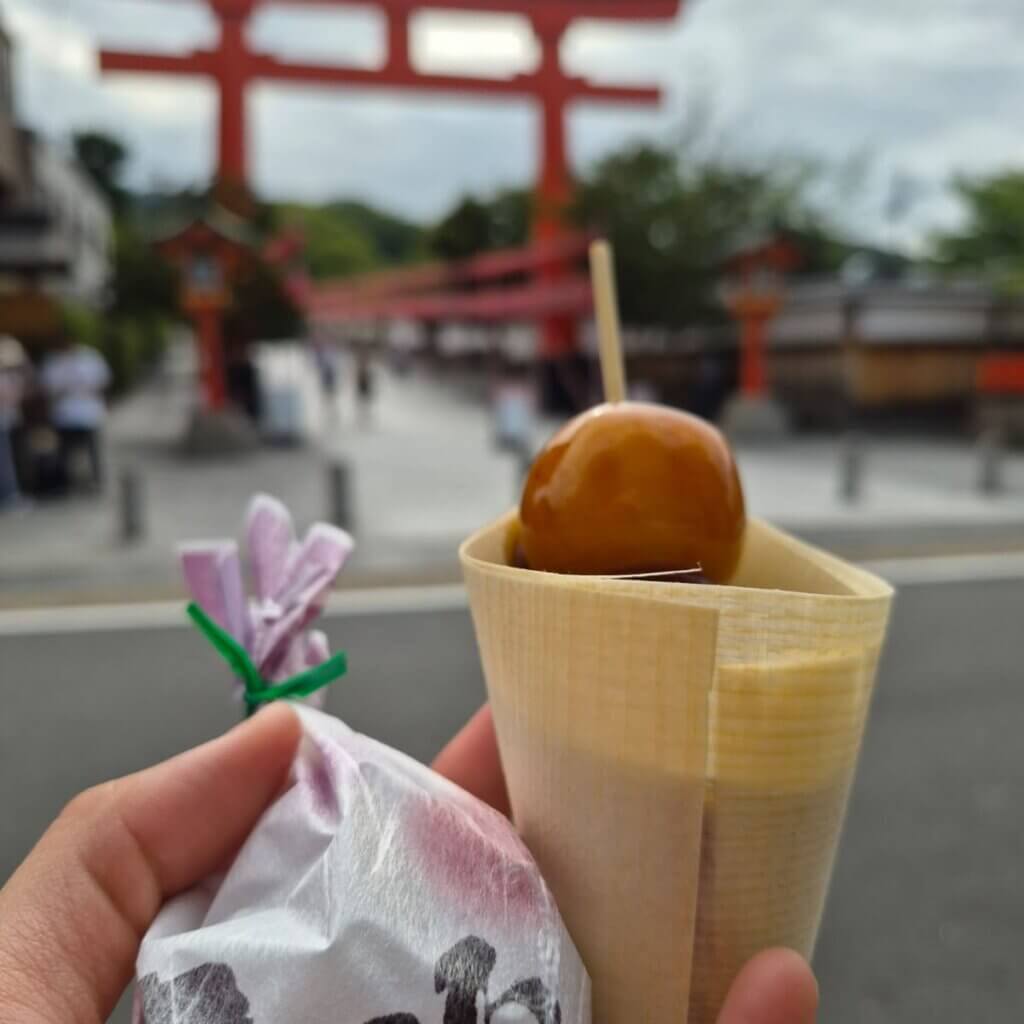
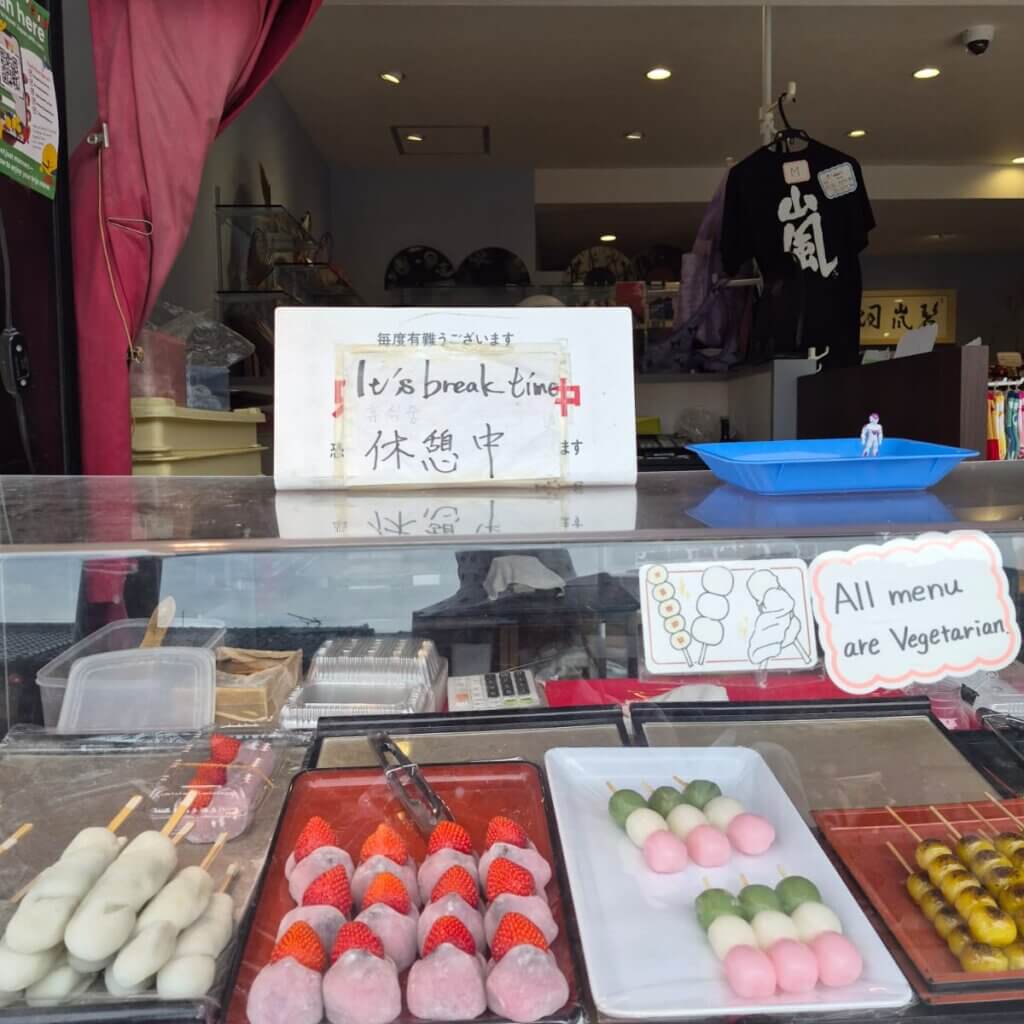
After coming down from Fushimi Inari, I found a mochi shop opposite the shrine and decided to try some Ichigo Daifuku, a soft mochi filled with sweet red bean paste and a fresh strawberry.
Things to do in Kyoto
Kyoto food
I loved this one so much!
The strawberry was juicy and fresh, and the combination with the sweet red bean paste and chewy mochi was just perfect. Definitely one of my favourite little food discoveries in Japan.
I also tried Isobeyaki, grilled mochi coated with soy sauce and sugar.
This one… was not really for me. 😅
I think the savoury soy sauce flavour was just not my taste. But that’s part of travelling — you try something new, sometimes you love it, and sometimes you think, “Yep, I don’t need to order that again!”
🍵 Uji — Matcha Heaven
From Fushimi Inari, I continued to Uji, around 15 minutes by train.If you love matcha, you really should add Uji to your Kyoto itinerary.
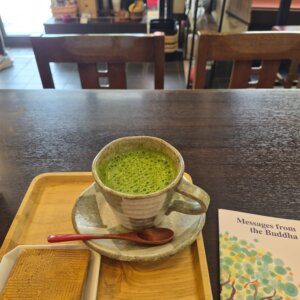
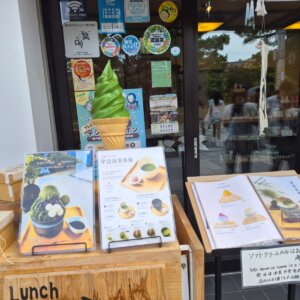
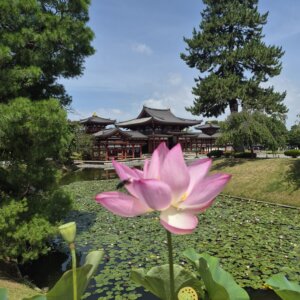
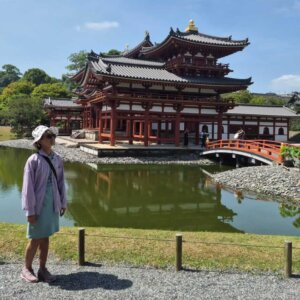
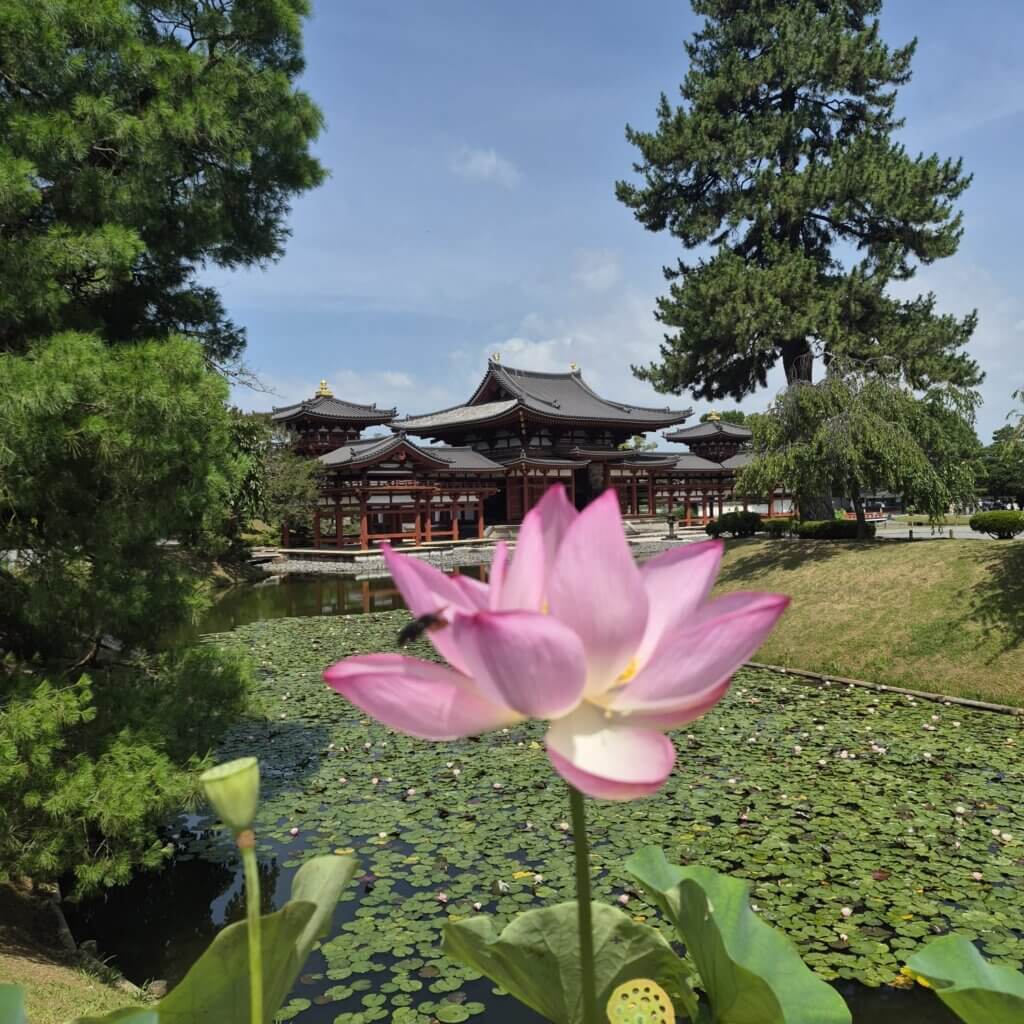
Uji is famous for its green tea, and there are matcha shops everywhere.I explored Byodoin Temple, walked along the Uji River and crossed Uji Bridge before wandering through the traditional streets.And, of course, I had to try the matcha.I visited Nakamura Tokichi, where I tried a matcha dessert, and Itoh Kyuemon, where you can find everything from matcha soba and matcha lattes to matcha ice cream.
At this point, I think I had officially become 50% matcha. 😂.
Kyoto food
Best matcha desserts in Kyoto
There was also hojicha, with its rich, nutty flavour and beautiful deep-brown colour. Made from roasted tea leaves, it had this warm, almost comforting taste and quickly became one of my favourites.
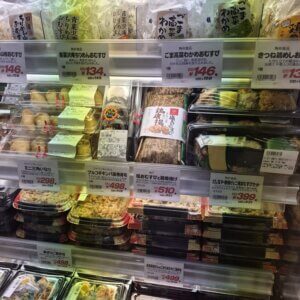
I bought some matcha from a local shop rather than the typical souvenir stores. I also grabbed some takeaway food here, and honestly, I was fascinated by the sheer variety of food on display. There were shelves and counters filled with everything from delicate matcha mochi and freshly prepared sashimi to beautifully cooked salmon and colourful rice bowls.
I was amazed by how much choice there was. It felt like a little food wonderland, with both hot and cold meals ready to take away. I can’t remember the name of the supermarket now, but it wasn’t far from the Daiso in Uji. It was such an ordinary supermarket, yet somehow one of those little places that made me stop and think, I love Japan.
Kyoto travel guide for solo travellers
Byodoin Temple
🏯 Higashiyama & Kiyomizu-dera
After Uji, I headed back towards Kyoto and continued to the Higashiyama area.
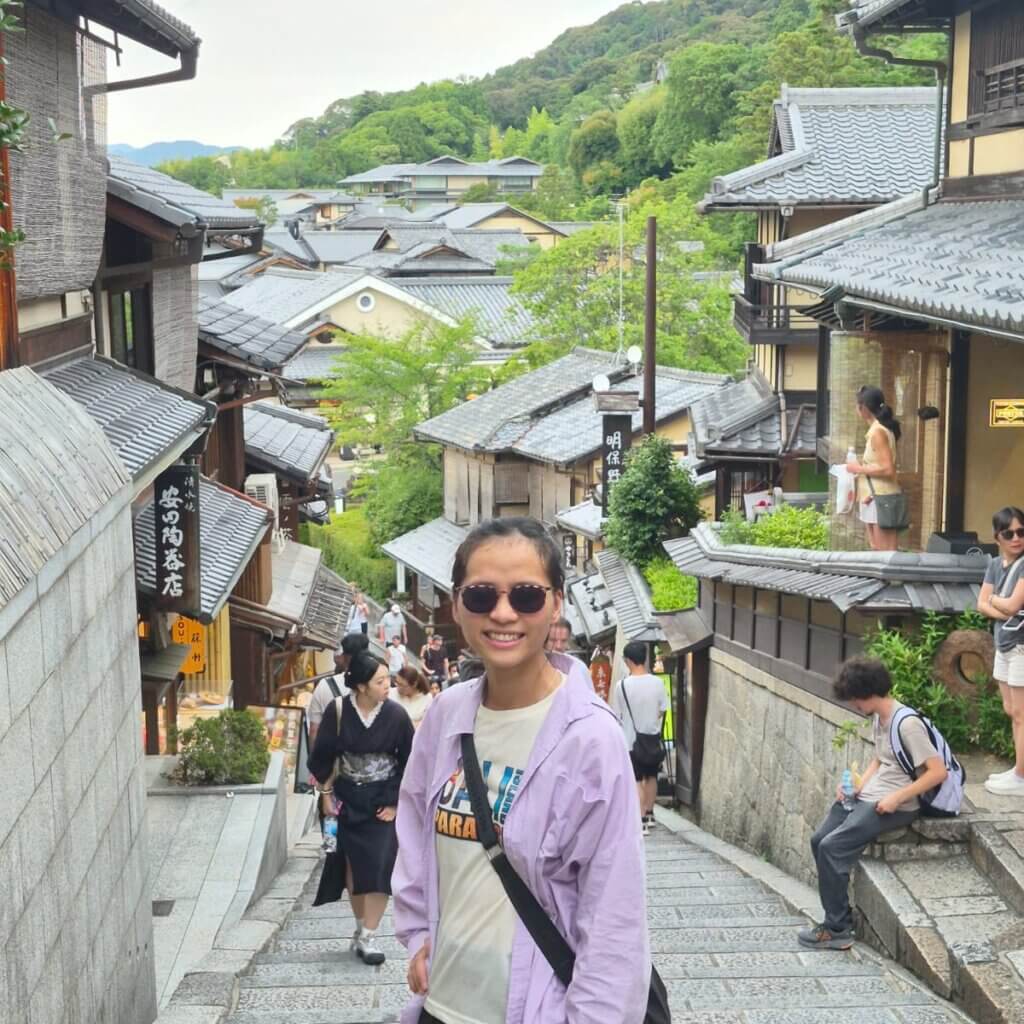
I visited Kiyomizu-dera, then walked through Ninenzaka and Sannenzaka.
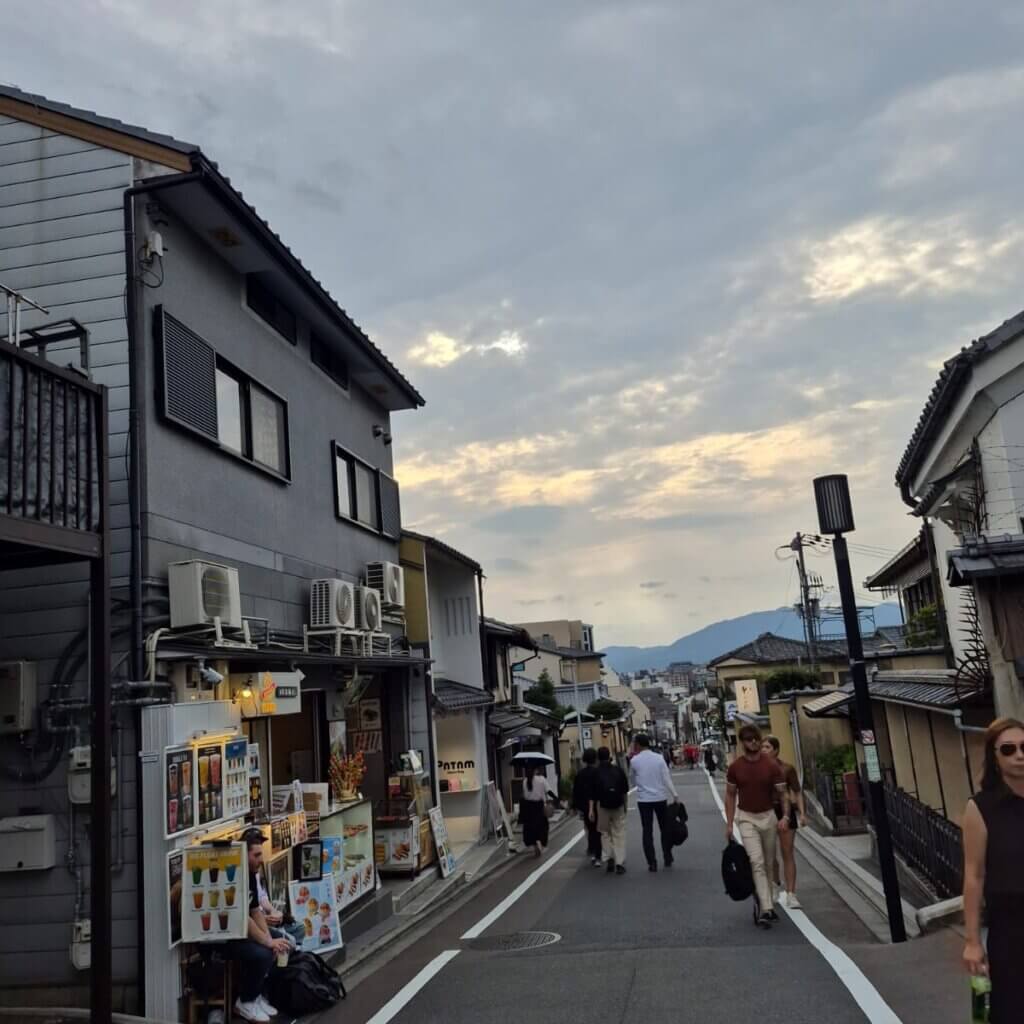
This was one of those areas where I didn’t really need a plan. I just enjoyed wandering through the traditional streets, looking at the wooden houses, small shops, tea houses and cafés.
Best things to do in Kyoto
It was exactly the kind of Kyoto I had imagined before coming to Japan.
Kyoto at Night — Walking Tour & Japanese Culture 🌙
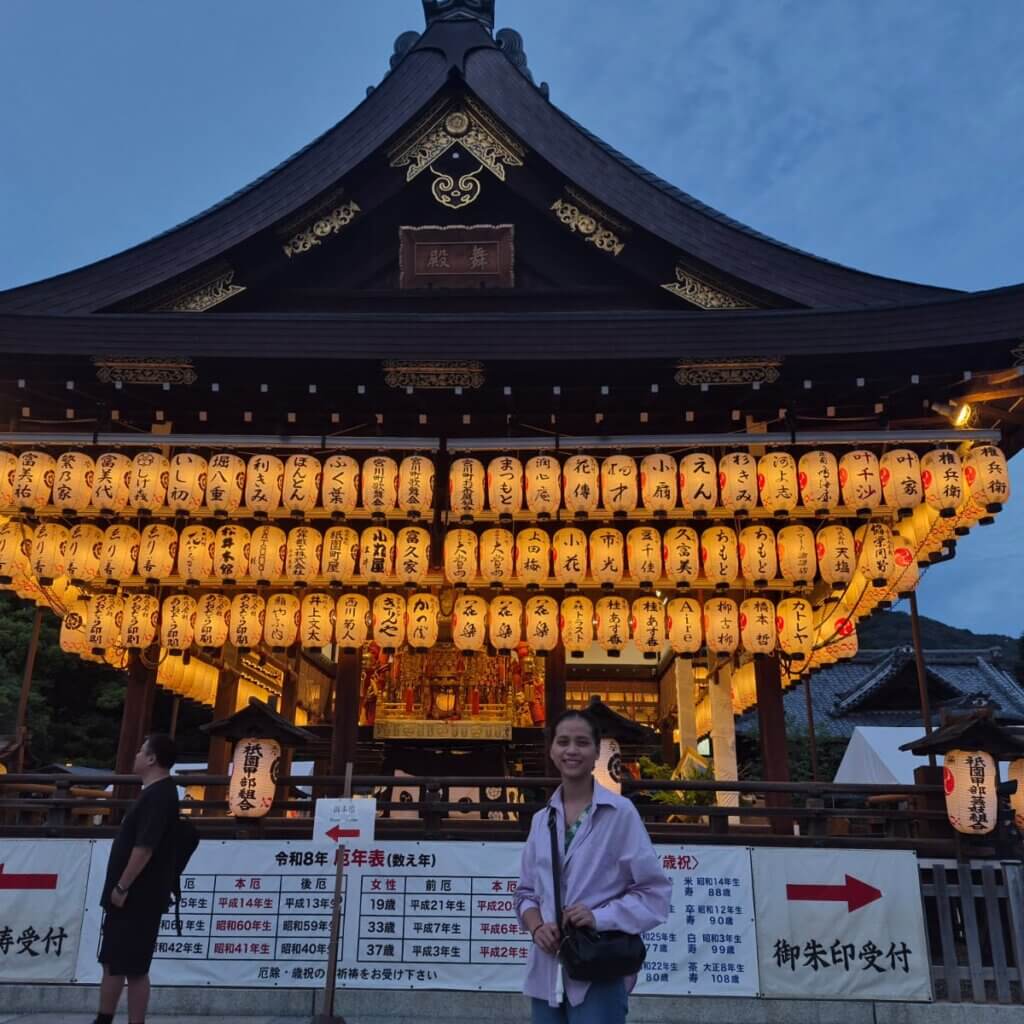
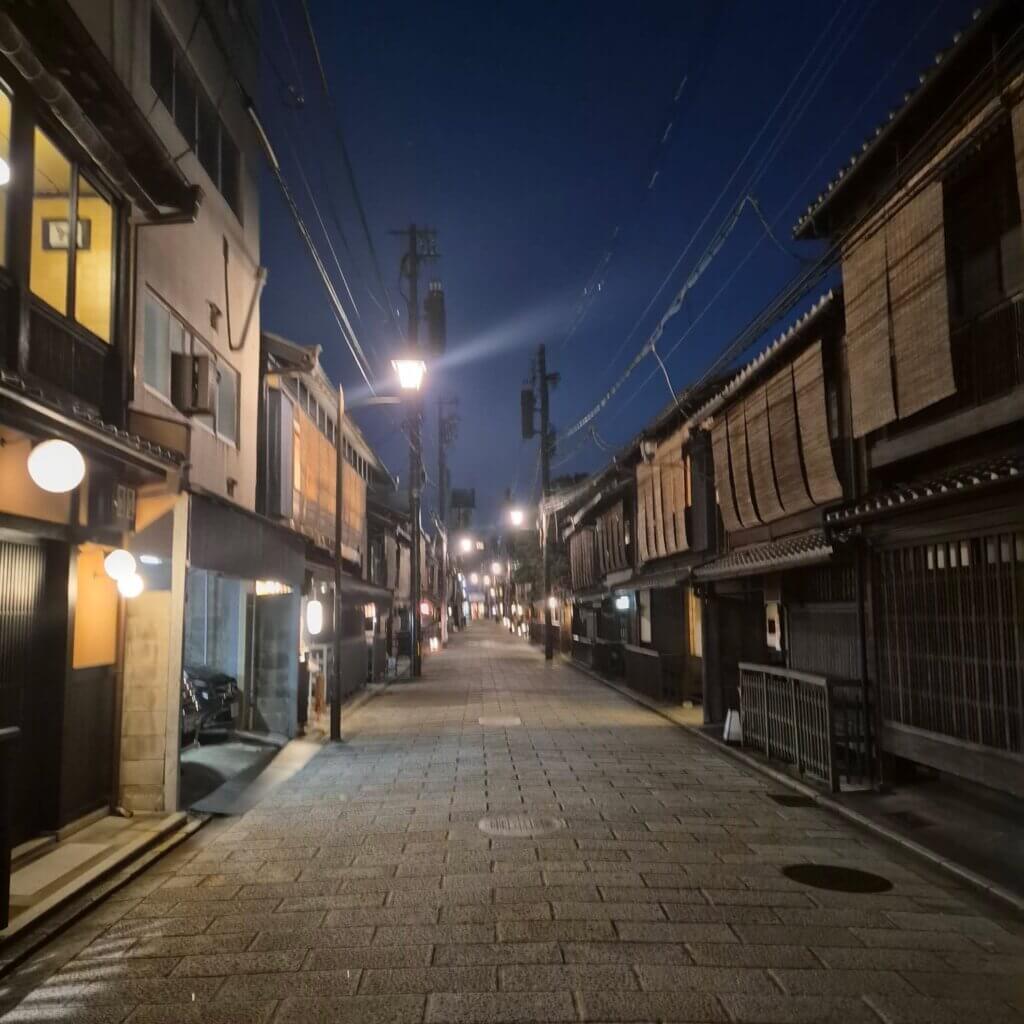
After a full day of sightseeing, I joined an evening walking tour around central Kyoto, including the traditional Gion area.
This turned out to be one of my favourite experiences in Kyoto. It wasn’t just about taking photos or walking around pretty streets. Our guide shared stories about Japanese culture, traditions and the fascinating world of geiko (Kyoto’s term for geisha) and maiko, their apprentices.
Before coming to Japan, I had heard the words geisha and maiko, but honestly, I didn’t really understand the difference or the cultural background.
Best things to do in Kyoto
Gion walking tour Kyoto
You might have seen pictures of these women in Japanese souvenirs, artwork or traditional cultural displays. But hearing the stories behind them made me realise there was so much more to learn.
Walking through Gion and Hanamikoji Street at night, with the traditional wooden buildings, narrow streets and soft evening lights, felt like stepping into another side of Japan.
It was one of those experiences where I felt I was learning about Japan, rather than simply visiting Japan.
This wasn’t one of my usual Klook bookings. I found it through Guru Walks — the Kyoto Night Free Walking Tour Gion Geisha tour.
The free walking tour doesn’t have a fixed price. At the end, you contribute whatever amount you feel is fair based on your experience.
Our guide was attentive, knowledgeable and had a great sense of humour. I really enjoyed the stories, the cultural insights and learning more about the geiko and maiko world.
Thanks for such a lovely evening and an amazing experience! ❤️
If you’re someone who loves immersing yourself in a culture rather than simply checking off tourist attractions, Japan offers so many unique experiences that can make your trip feel truly special.
From traditional tea ceremonies and samurai experiences to cultural performances, walking tours and Japanese dinners, there are plenty of activities available through platforms like Booking.com and Klook. These experiences allow you to do more than just look at Japan.
Day 4 — Ine Fishing Village & Amanohashidate 🌿🌊
For Day 4, I booked a day tour through Klook for around AUD $95. This ended up being one of my favourite days in Kyoto — not just because of the destinations, but because of the journey there.
Kyoto things to do beyond the tourist attractions
Amanohashidate
After a few busy days in Kyoto, it was nice to leave the city behind and see green mountains, rice fields, quiet villages and the coastline.
🛶 Ine Fishing Village
Our first stop was Ine, a small fishing village famous for its traditional funaya boat houses, built right along the water.
There isn’t a huge amount to do in the village itself, but honestly, I didn’t mind. I enjoyed just walking around, taking photos and looking at the quiet little houses along the bay.
A day trip from Kyoto
Fresh seafood lunch in Amanohashidate
The tour also included a short boat ride, where we could feed the seagulls flying alongside us. 🐦 That was probably one of the most fun little moments of the day.
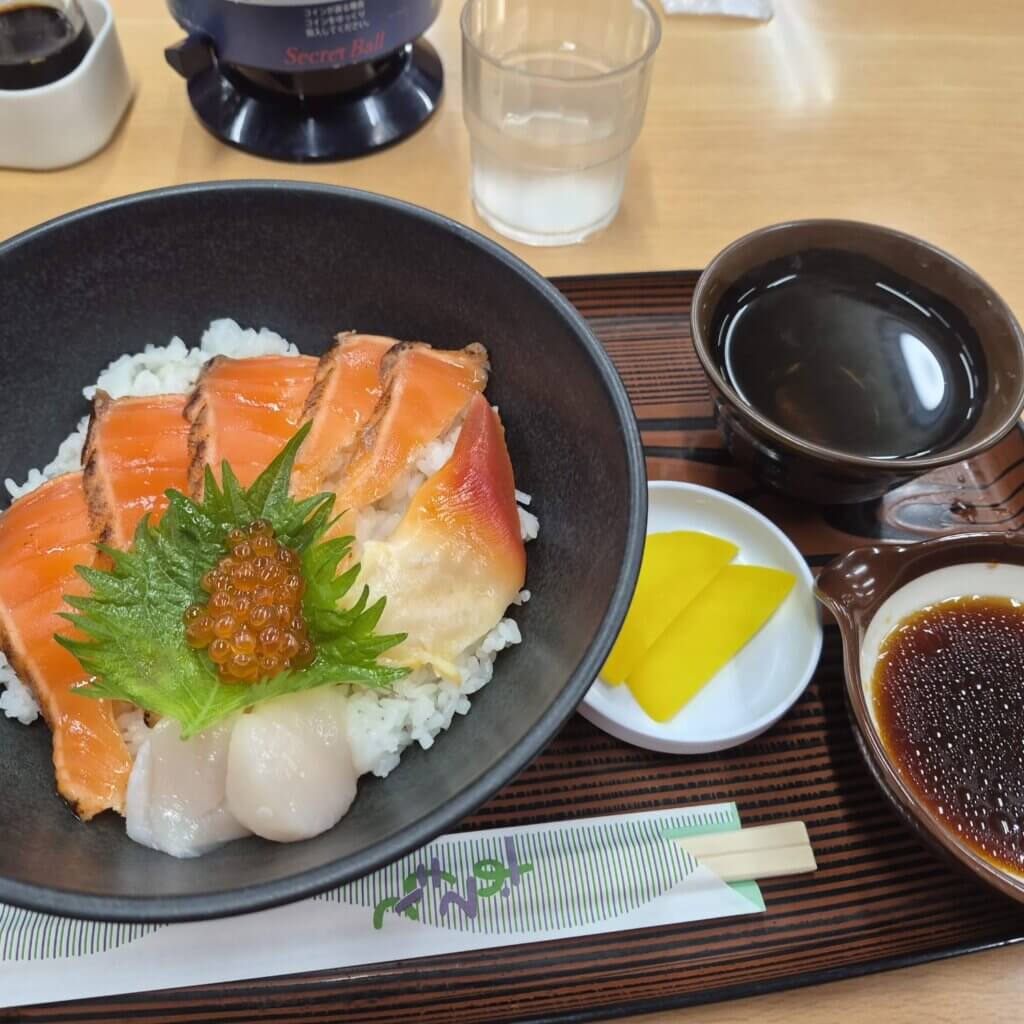
We also had a fresh seafood lunch with sashimi and other seafood dishes — and honestly, it was one of the best meals I had in Japan.
🌊 Amanohashidate
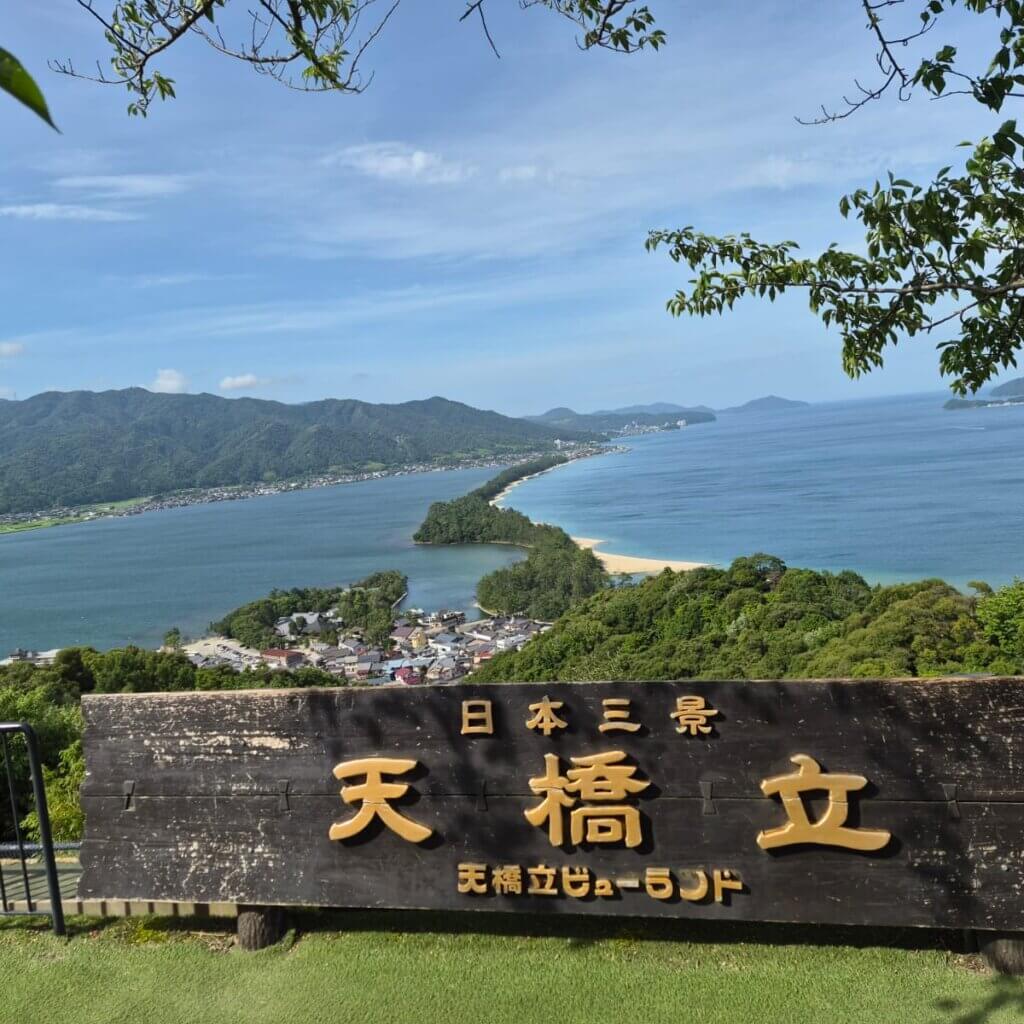
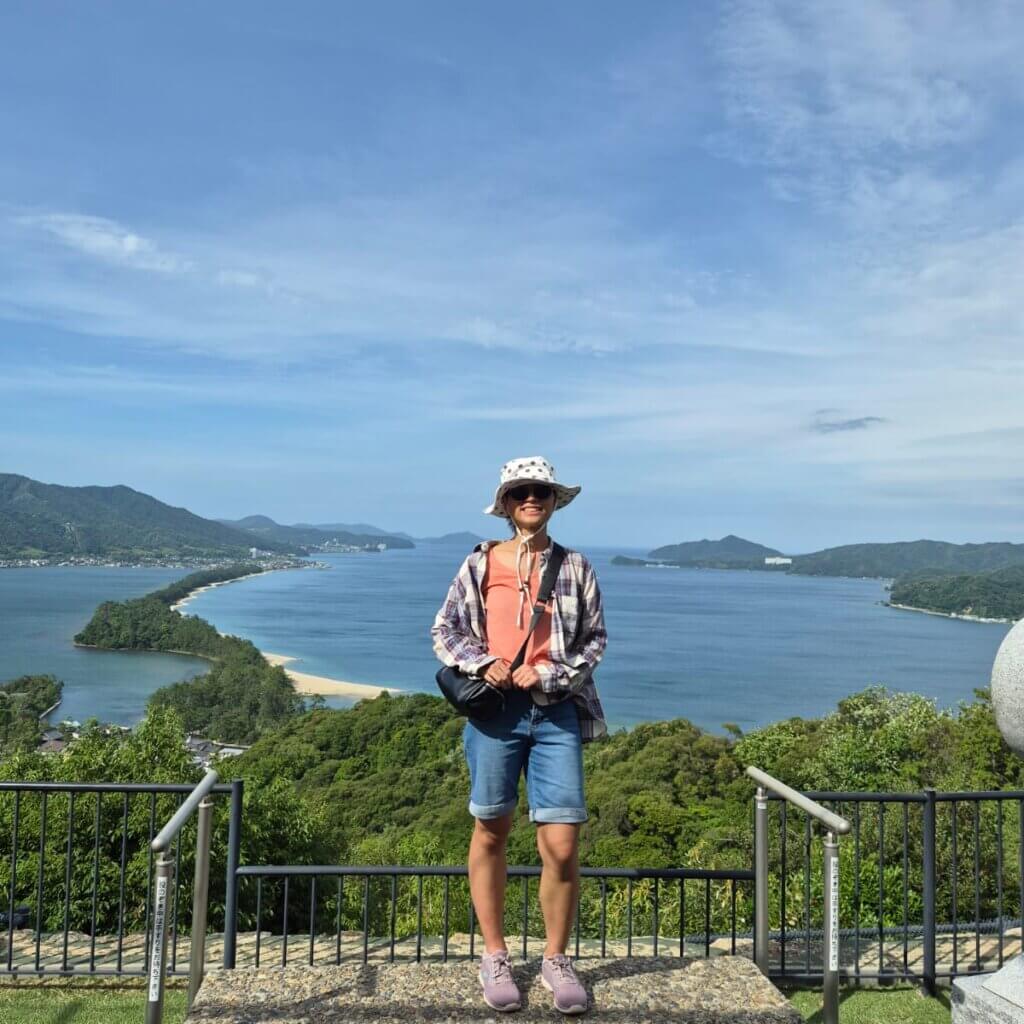
From Ine, we continued to Amanohashidate, known for its long natural sandbar stretching across Miyazu Bay.
We took the cable car up to the viewpoint, and the scenery from above was beautiful — the sandbar, mountains and sea all coming together.
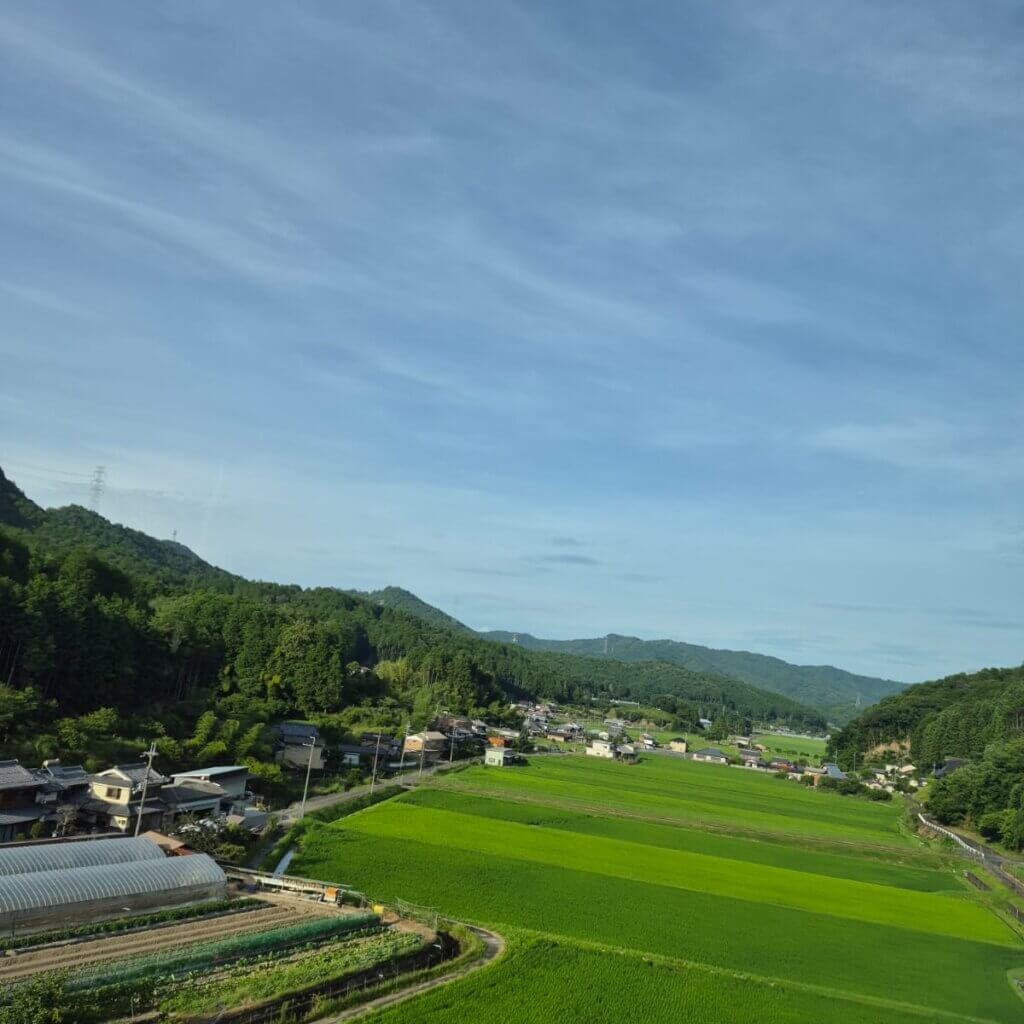
But for me, the best part was actually the road between the two places. The green rice fields, mountains and small Japanese towns made the whole journey feel like a little countryside escape from Kyoto.
⚠️ A transport tip I wish I knew
If you’re planning to do Ine and Amanohashidate on your last Kyoto day before heading to Osaka, check the tour’s drop-off options before booking.
Some tours let you bring your luggage on the bus, and some can drop you off in Osaka at the end of the tour instead of taking you back to Kyoto.
I didn’t know this when I booked mine, so my bus returned to Kyoto. I then had to go back to my hotel and travel to Osaka the next day.
If you’re heading to Osaka or even the airport afterwards, choosing a tour with an Osaka drop-off could save you a whole extra trip back to Kyoto.
Definitely one of those little travel lessons I wish I’d known before booking!
Day 5 — Nishiki Market, Shopping & A Slower Kyoto Day
This was my birthday, so I decided to reward myself with fluffy pancakes and coffee. 🥞☕
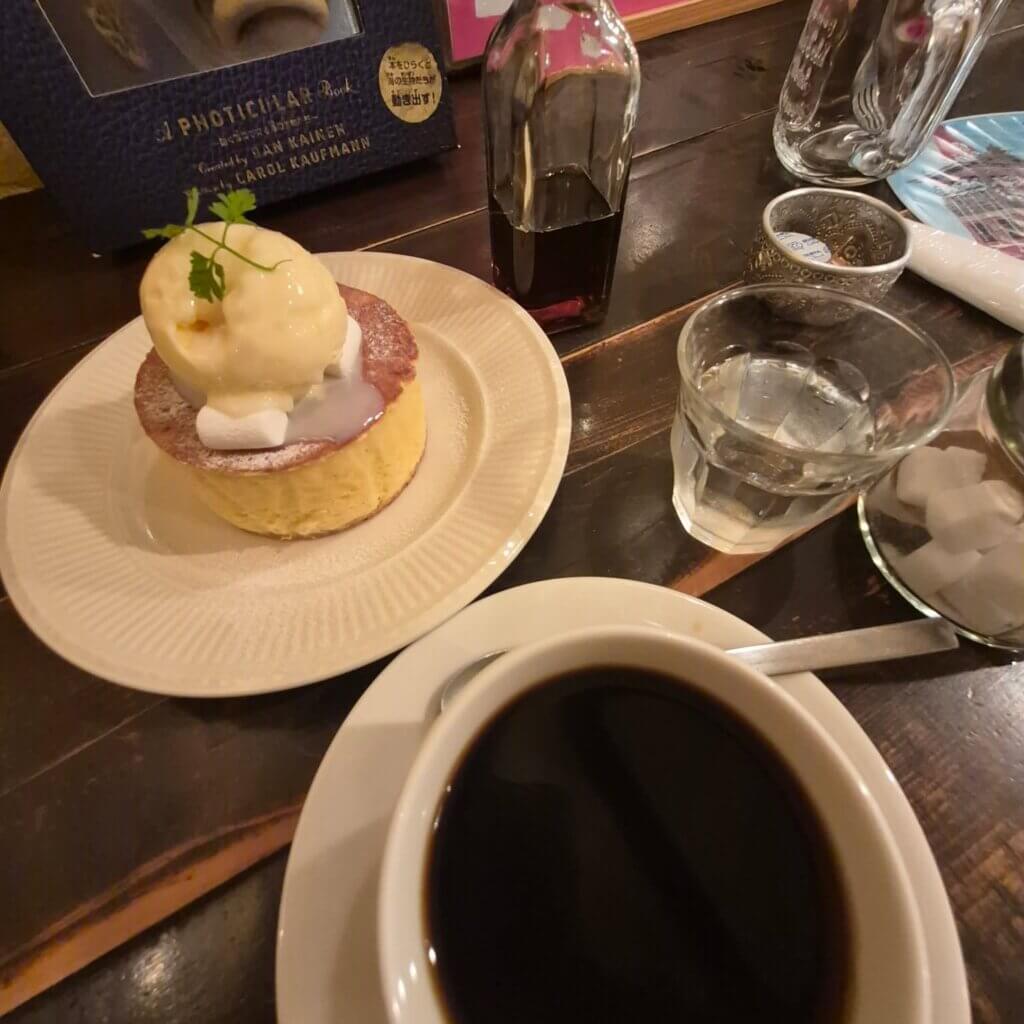
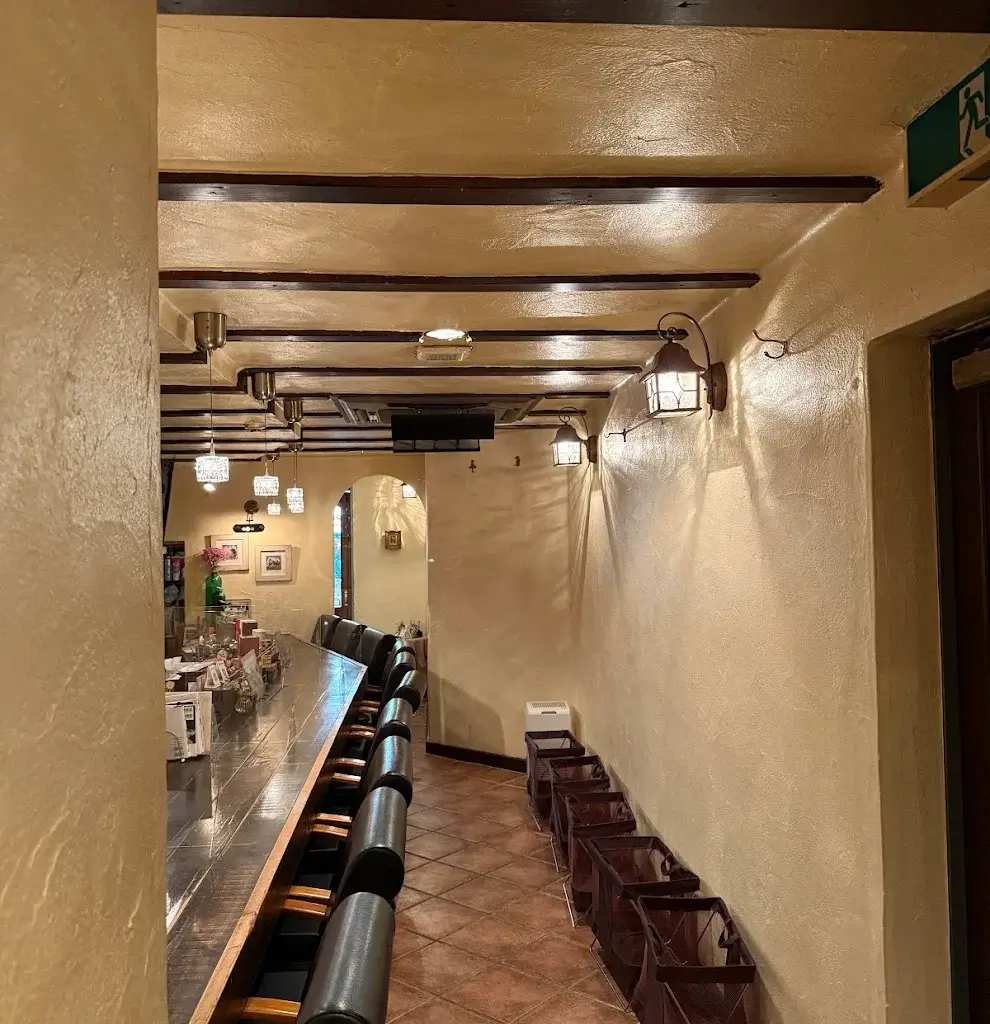
I randomly googled “pancakes near me” and found Blue Fir Tree. It wasn’t the most popular or well-known pancake place in Kyoto, but I think I found a little hidden gem.
Kyoto food and café guide
Blue Fir Tree
From the outside, it’s quite easy to walk past. Inside, it’s a small and cosy café with only around 20 seats. The staff were friendly and attentive, and because I arrived early, I was the only person there for a while.
One of the things I had been craving in Japan was a really fluffy Japanese pancake, so for my birthday, I ordered one with ice cream and maple syrup, along with a cup of hot hand-brewed coffee.
And honestly… it was exactly what I was hoping for.
The pancake was so light and fluffy that it almost melted in my mouth. The combination of warm pancake, cold ice cream and maple syrup was just perfect.
There was another more famous soufflé pancake place nearby that was already packed, so I’m actually glad I ended up here instead. If you want something quieter and don’t feel like waiting an hour for pancakes, this place is definitely worth checking out.
A pretty good way to celebrate a birthday overseas. ❤️
Nishiki Market
After my birthday breakfast, I headed to Nishiki Market, often called “Kyoto’s Kitchen.”
I had heard so much about it before coming to Kyoto, so I was quite excited to finally see it for myself.
Nishiki Market
There was plenty of food to try — wagyu skewers, tamagoyaki, croquettes, mochi, matcha desserts, seafood and all kinds of Japanese snacks.
But to be honest, Nishiki Market wasn’t a huge highlight for me.
Some of the food felt quite average, especially considering the prices and how busy and touristy it was. Maybe I just didn’t find the right stalls, or maybe there are better places to eat around Kyoto. So personally, I wouldn’t say Nishiki Market is a must-do.
After that, I wandered around Kawaramachi and Teramachi Shopping Arcade, which I actually enjoyed more. I could take my time, browse the shops and, most importantly, escape the Kyoto summer heat for a while.
And then… it was time for a little more shopping before saying goodbye to Kyoto.
🛍️ Daiso!
My favourite kind of shopping stop. 😂
I love Daiso because everything is cute, practical and affordable — which is actually a dangerous combination!
If you love Daiso too, definitely leave some extra space in your suitcase!
I spent the rest of the afternoon taking it easy, having coffee, browsing shops and picking up a few souvenirs before my final dinner in Kyoto.
After several early mornings and long days of sightseeing, it was nice to have one slower day before moving on to Osaka.
When Plans Go Wrong… 🍜
By the end of the day, my hips and legs were absolutely done. 😂 After walking around Kyoto all day, I honestly couldn’t imagine walking much further.
So, I gave myself a little birthday treat — a one-hour Japanese massage for around AUD $80.
It was exactly what I needed. After the massage, I felt like my legs had come back to life again.
It was my birthday, and I had planned to try a traditional Japanese set meal with miso fish.
I took the bus to the restaurant, but I must have taken the wrong one because it ended up taking me around 40 minutes, going round and round. With the heat becoming unbearable, I eventually gave up.
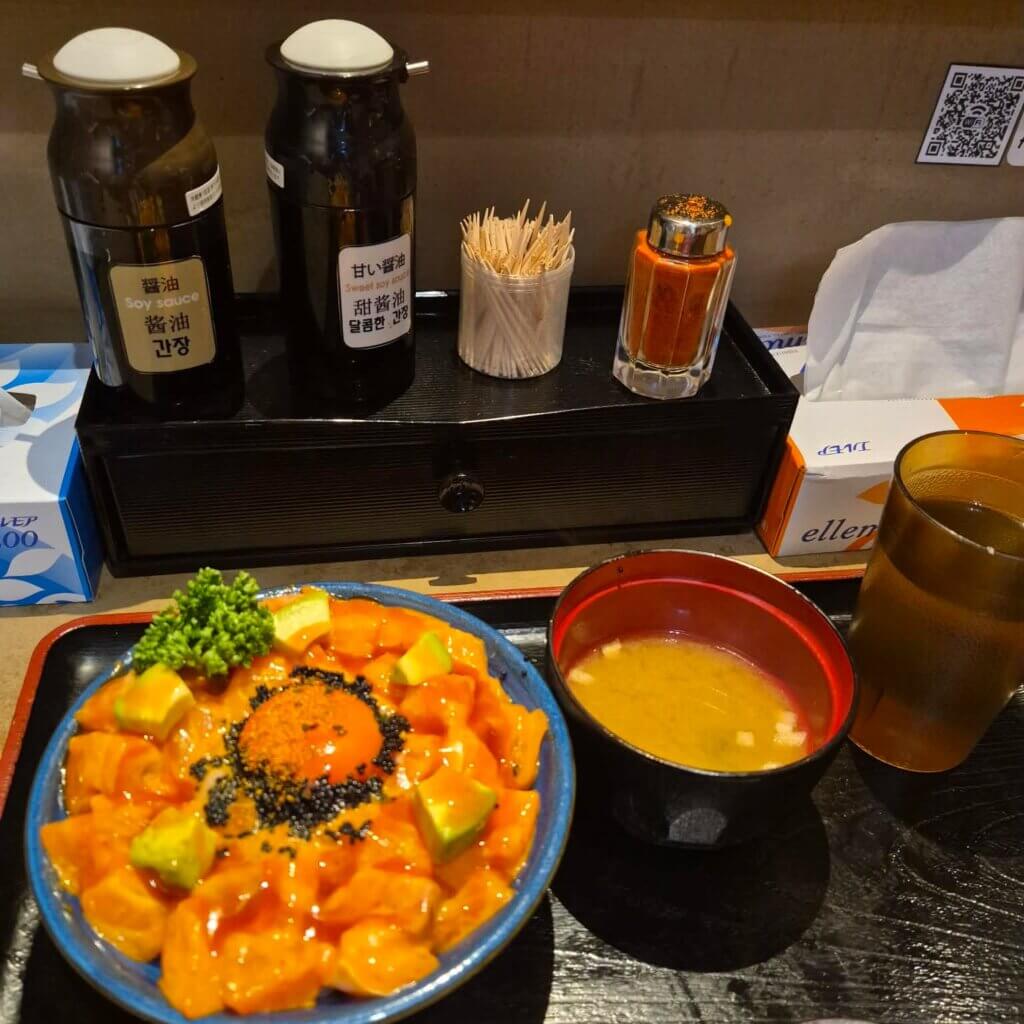
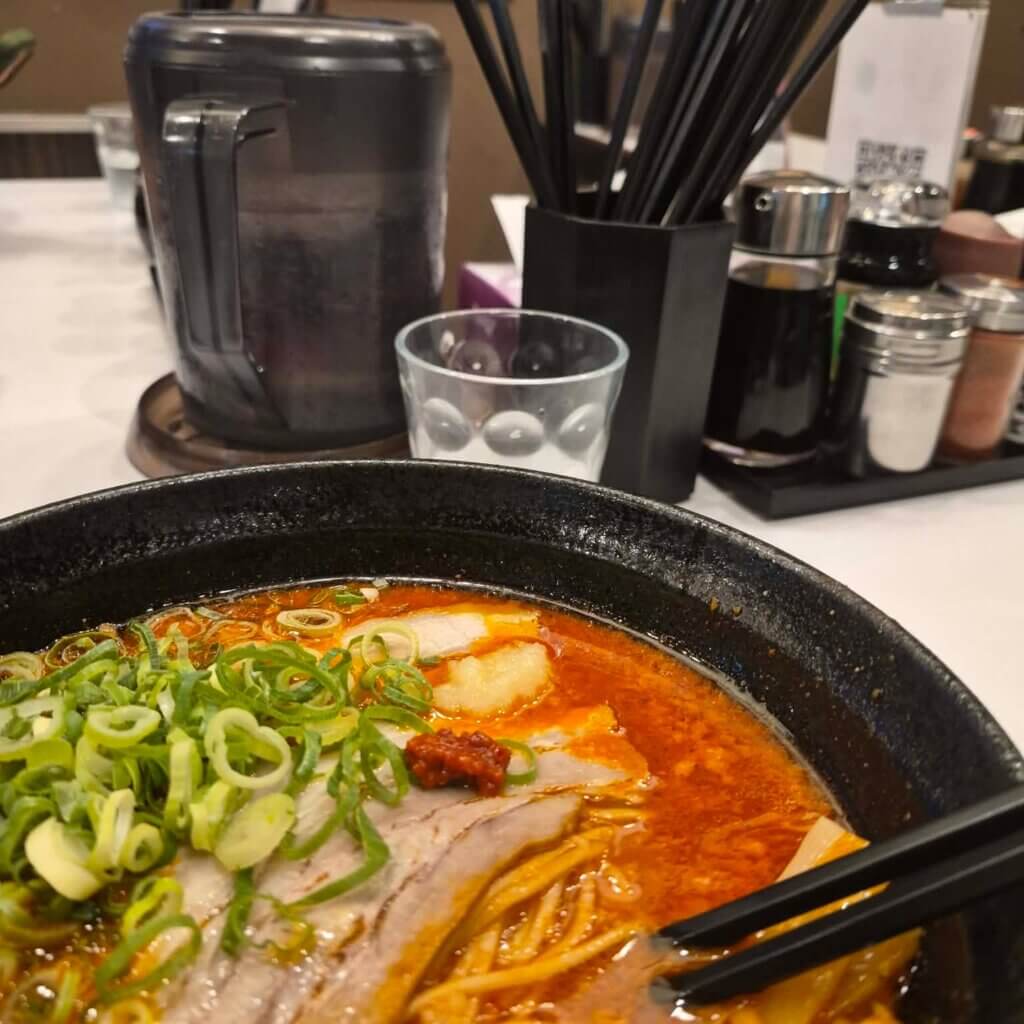
So, I decided to have ramen instead at a nearby local restaurant. And honestly, it turned out to be a pretty good decision. The ramen was delicious, with just the right amount of spice for my taste. 😋
Day 6 — Kyoto → Osaka
It was finally time to leave Kyoto and experience another side of Japan.
I took the JR Special Rapid from Kyoto to Osaka, which takes around 28 minutes, then continued by Osaka Metro.
I stayed at KOKO HOTEL Osaka Namba Ebisucho, which was conveniently located near Ebisucho Station and within walking distance of Shinsekai and Namba.
Immediately, Osaka felt different.
🥪 A Simple Breakfast Before Osaka Castle
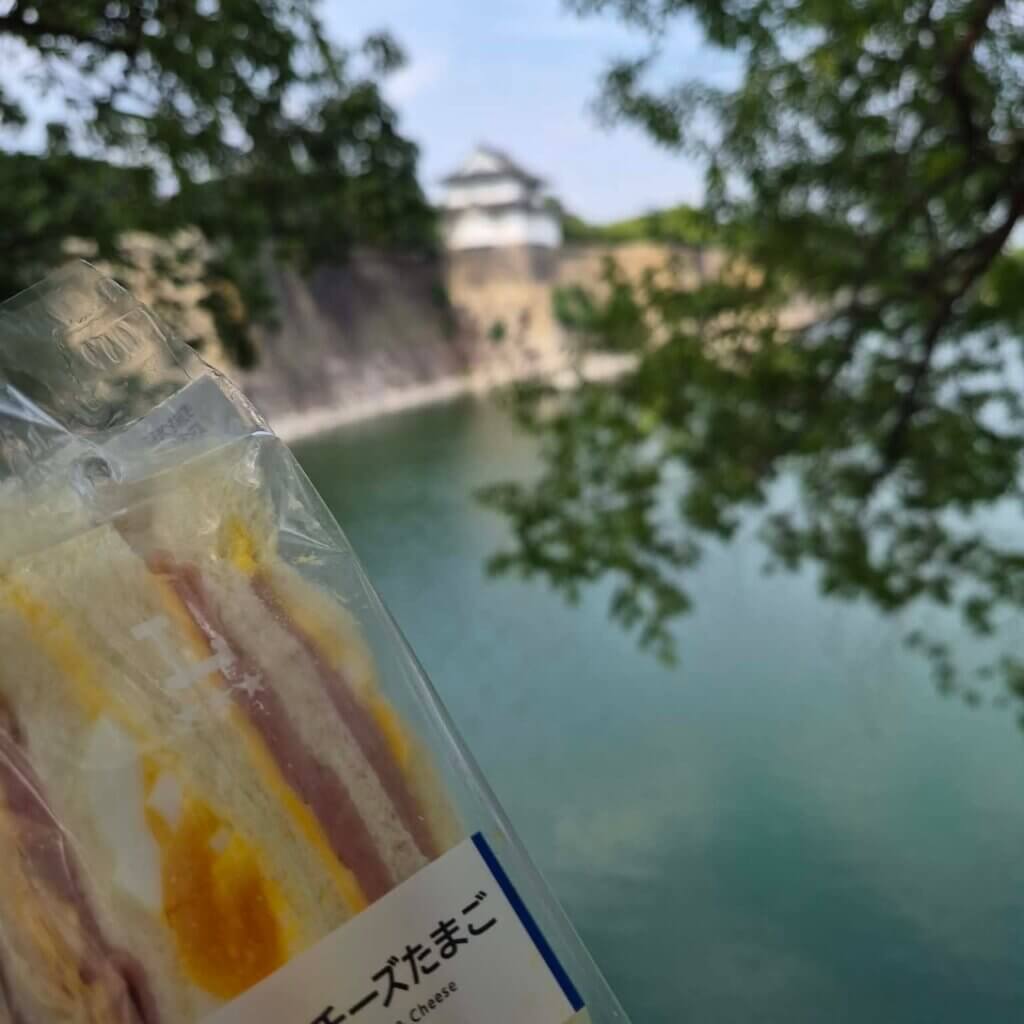
I started the morning with a simple egg and ham sandwich– the best egg sandwich I’ve ever had! 😂 Sometimes the simplest food can be the most memorable.
Osaka sightseeing
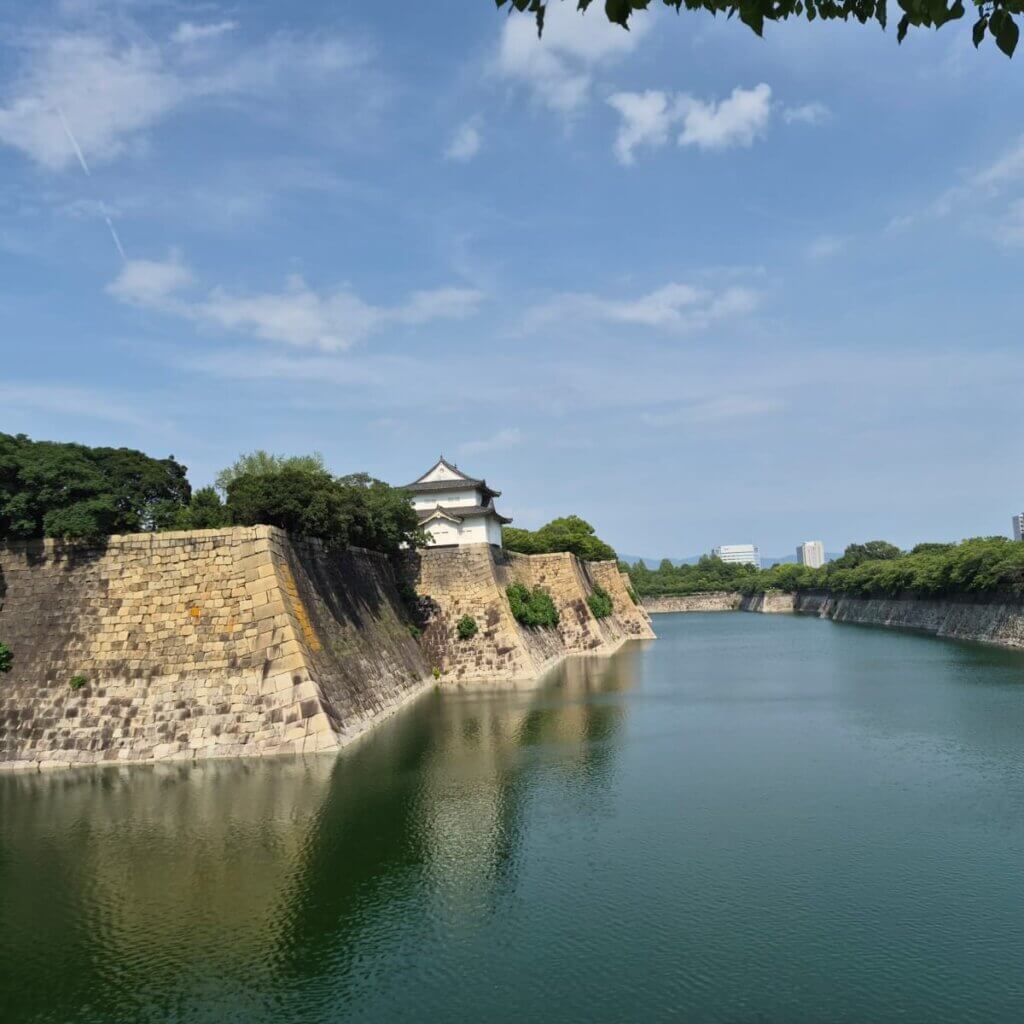
Osaka Castle
Yummy sandwich
Things to do in Osaka
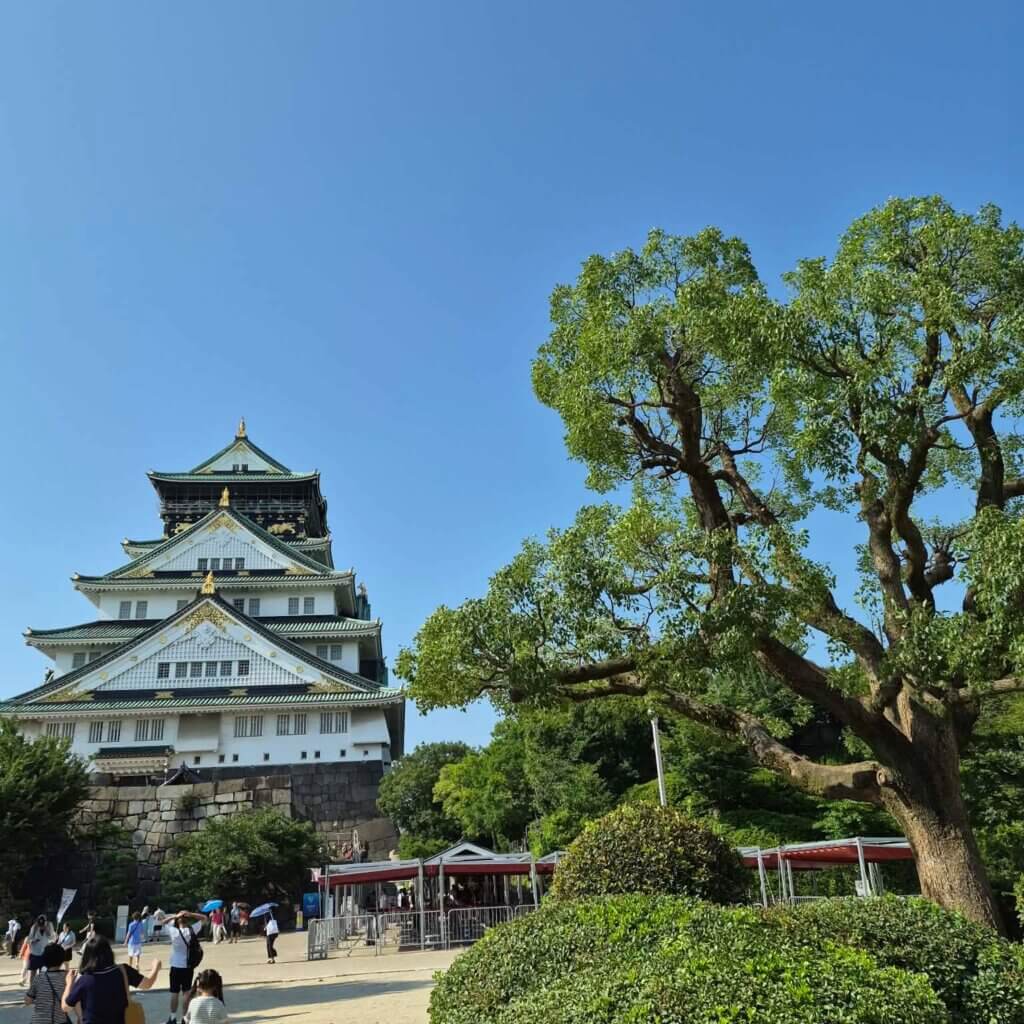
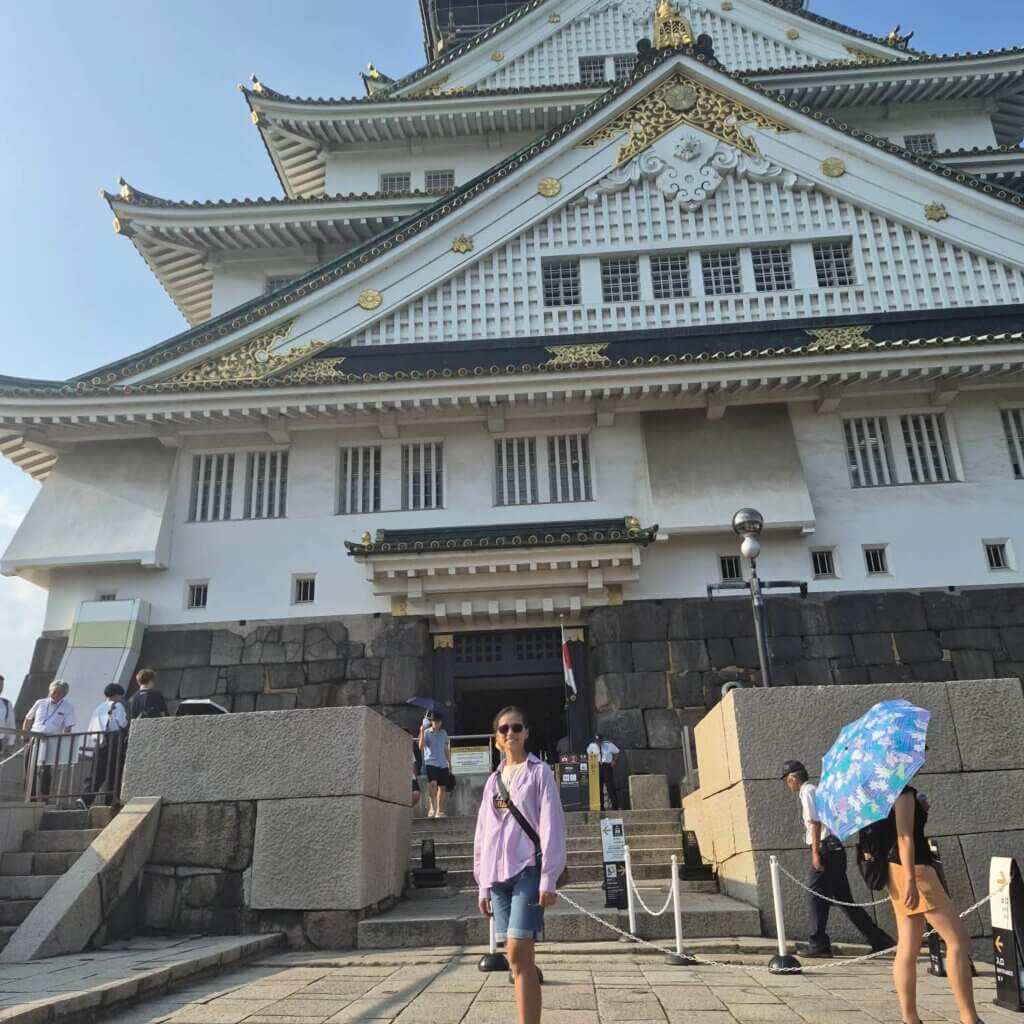
After breakfast, I headed out to explore Osaka Castle and walked around the surrounding park and lake. The scenery was beautiful and peaceful, but the July heat was no joke. It was already so hot that walking around for too long became exhausting.
After spending some time by the lake and in the park, I decided to call it a day and took a taxi back to the hotel.
Sometimes on a summer trip, you just have to listen to your body — there’s no prize for surviving the heat! 😅
Dotonbori at Night 🌃
Best things to do in Osaka
Osaka things to do at night
Things to Do in Kyoto and Osaka: A Personal Japan Travel Guide
Osaka nightlife and street food
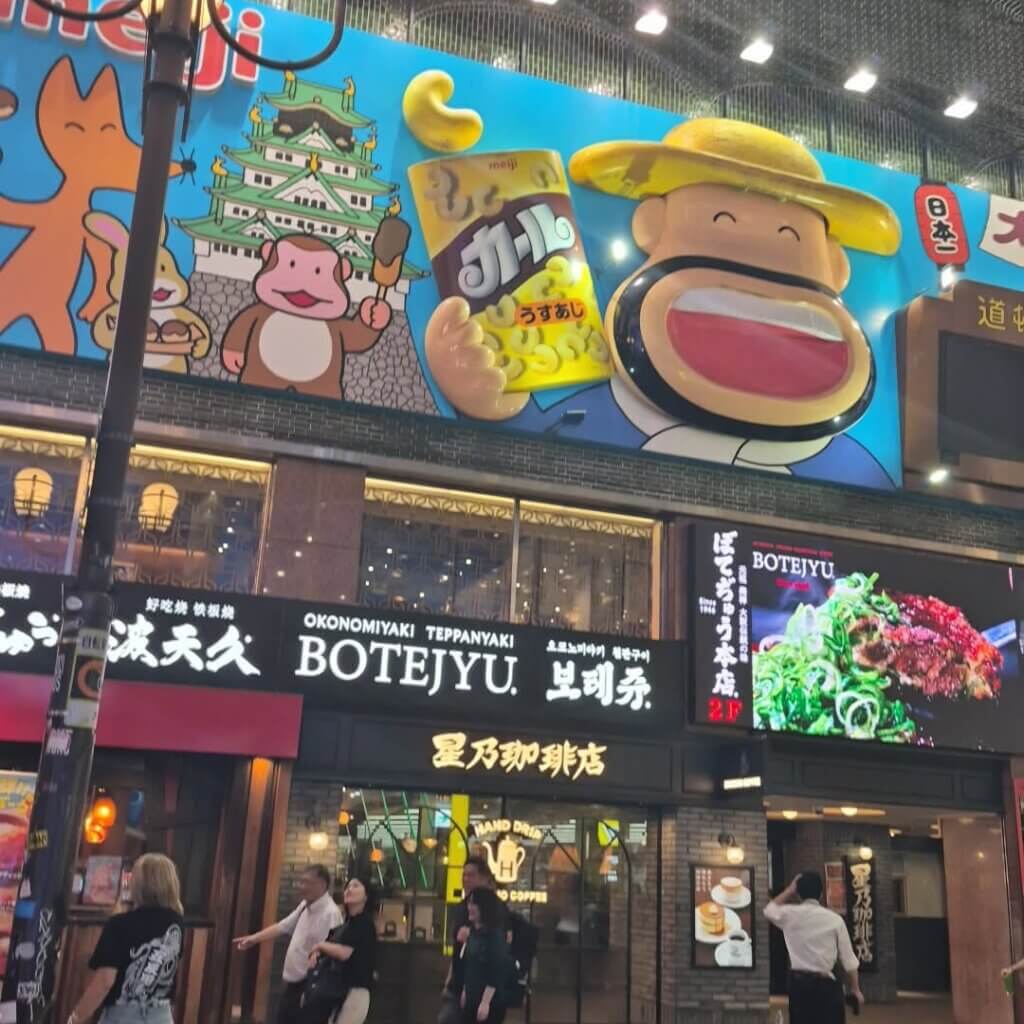
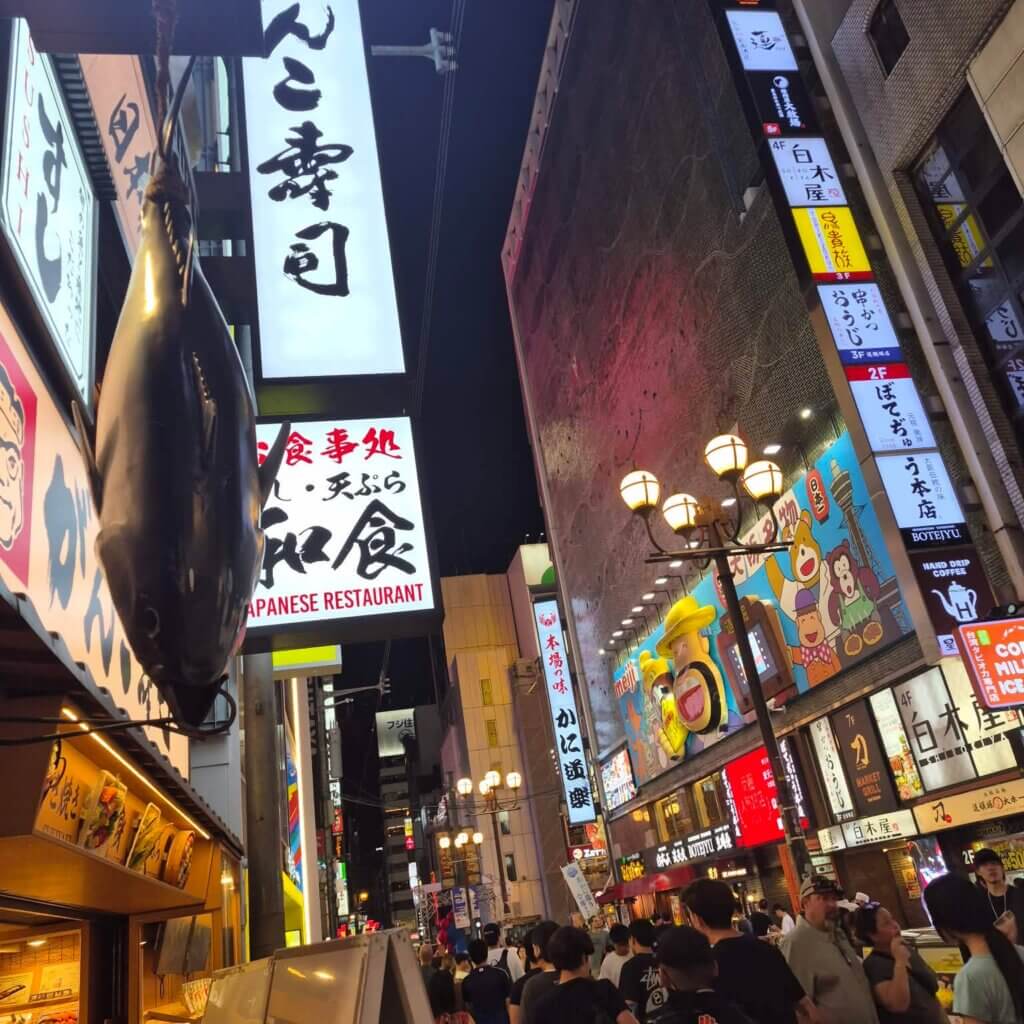
That night, I wandered around Dotonbori, Shinsaibashi and Hozenji Yokocho, just taking in the atmosphere.
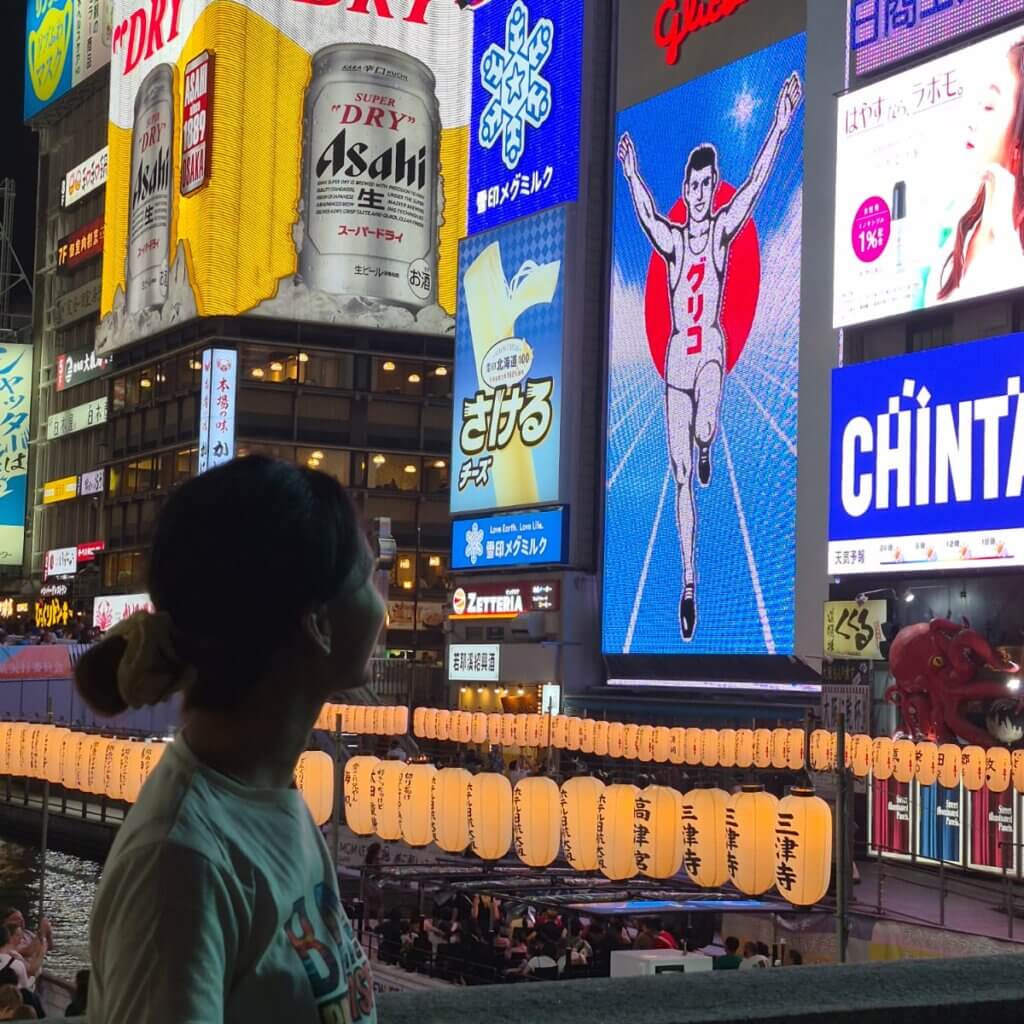
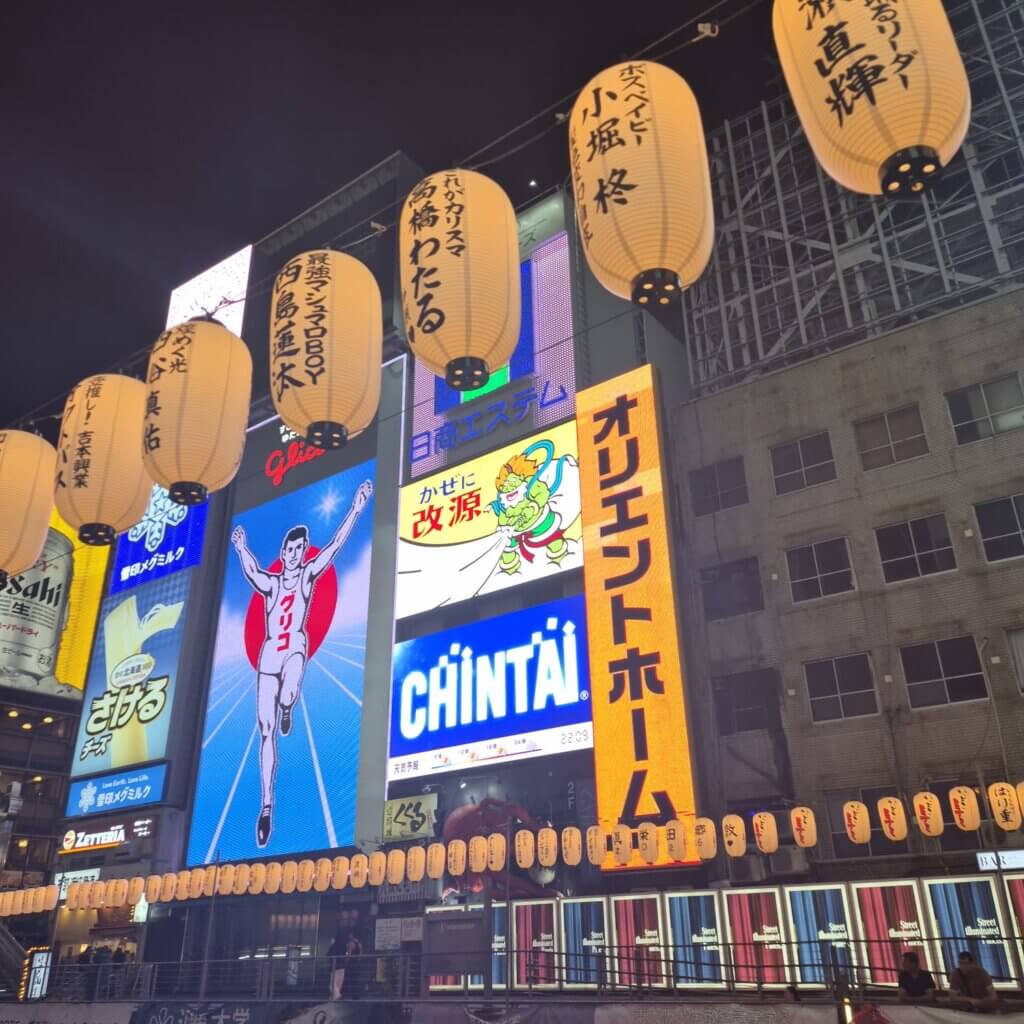
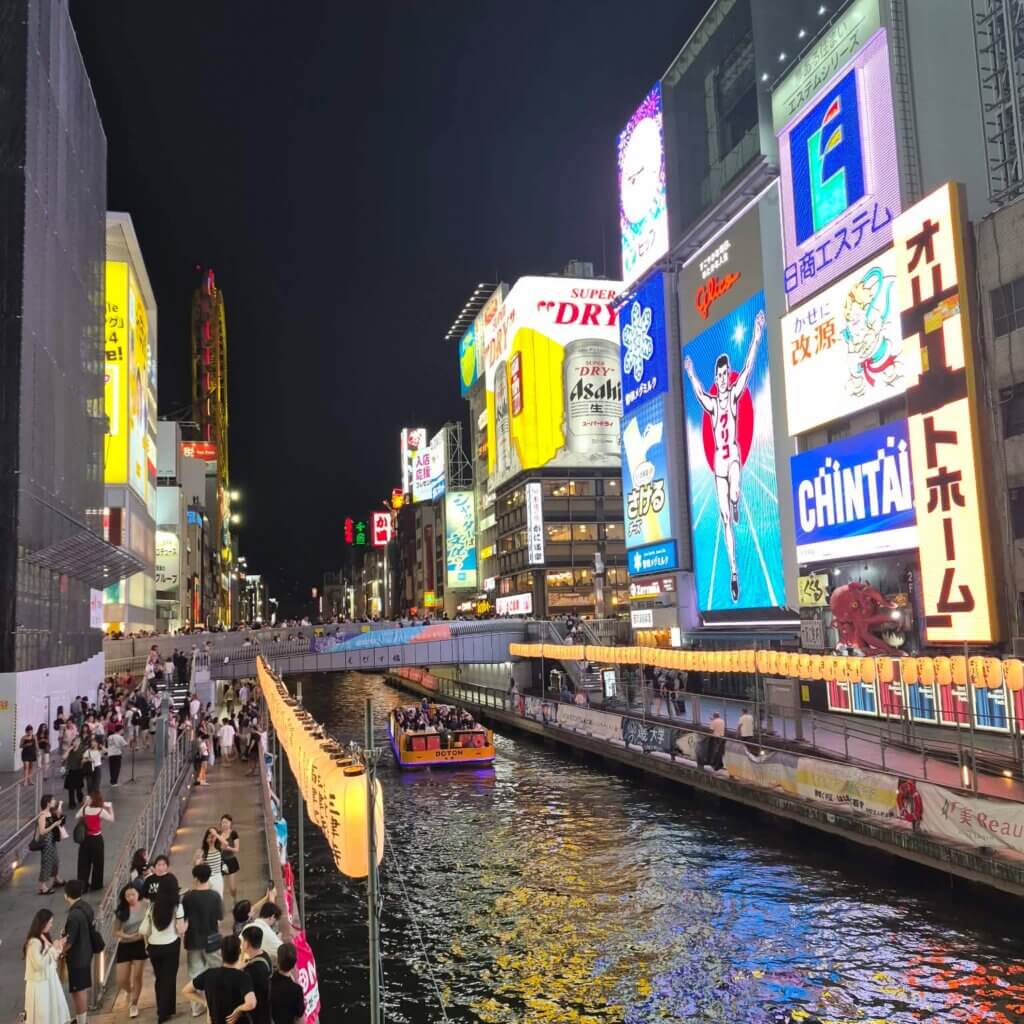
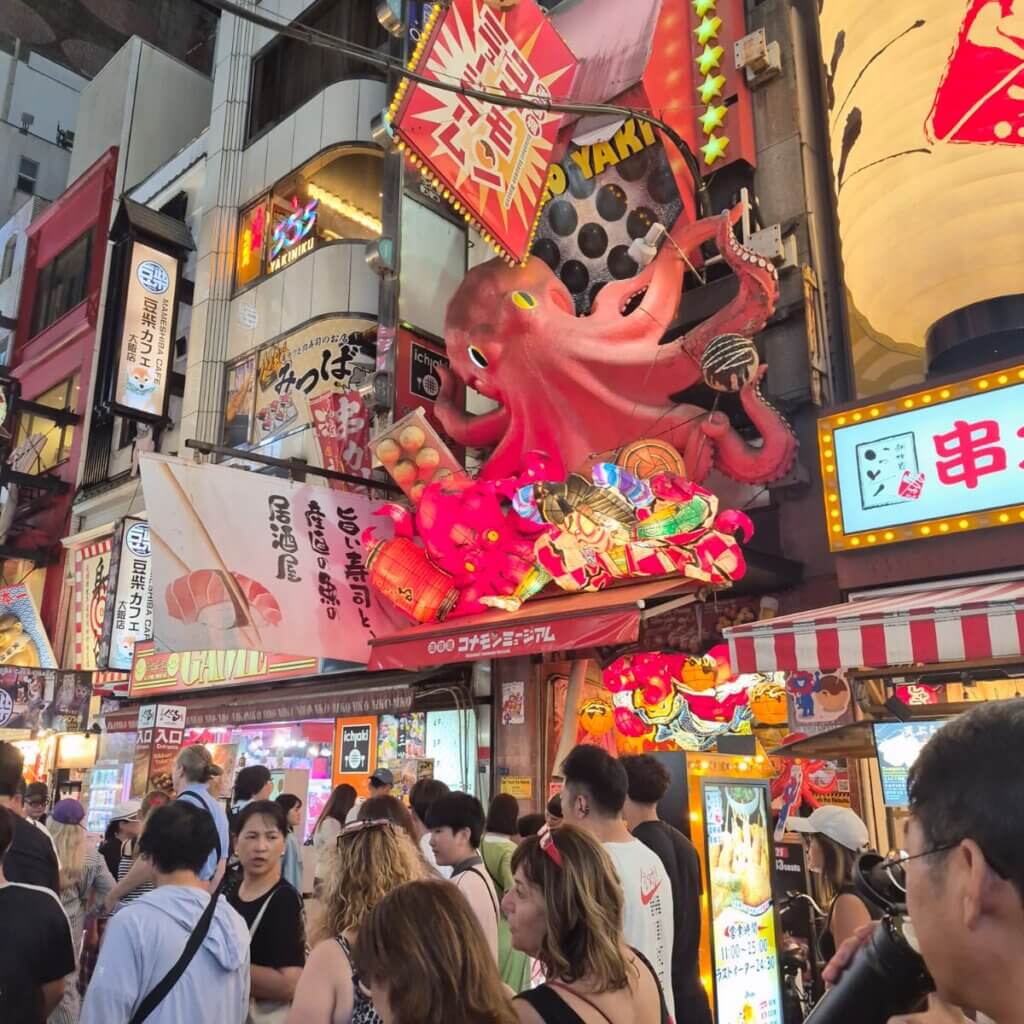
I was in awe of how energetic this city was. Huge 3D signs, neon lights, busy streets and food everywhere — this was the Osaka I had seen in all those travel photos.
And yes, I had to take a photo with the iconic Glico Running Man sign. 📸
Along the Dotonbori River, I could also see people enjoying sightseeing boat cruises and even some boats with groups having drinks and enjoying the night. It looked like another fun way to experience Osaka after dark.
Some of the things I wanted to try were:
🐙 Takoyaki — Osaka’s famous octopus balls
🥞 Okonomiyaki — savoury Japanese pancakes
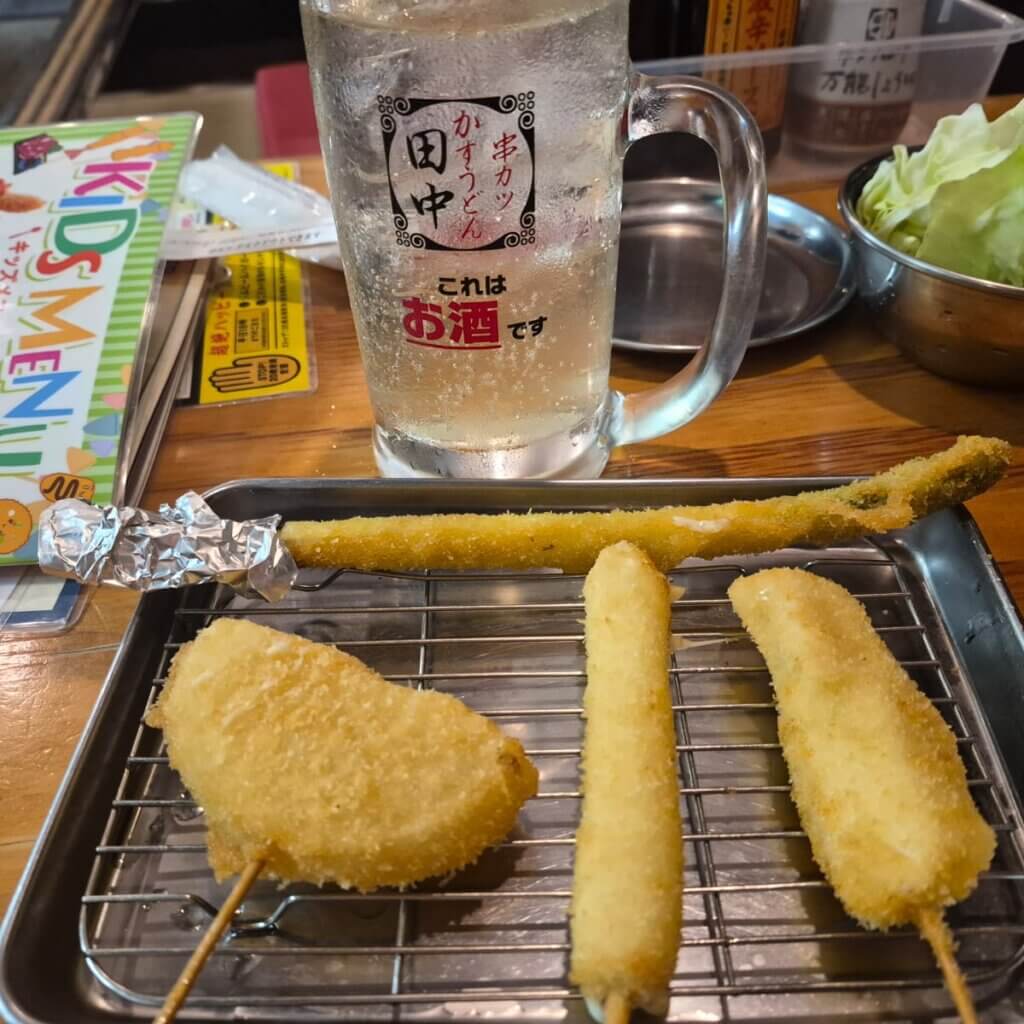
🍢 Kushikatsu — deep-fried skewers
Osaka felt like someone had suddenly turned the volume all the way up.
Louder, brighter, busier and definitely more chaotic than Kyoto.
Day 7: Osaka to Seoul
By this point, I was completely exhausted, so I decided to treat myself to the hotel buffet breakfast. It was only around AUD $13 per person for all-you-can-eat, which felt like pretty good value.
I was too tired to go looking for breakfast elsewhere, so I happily stayed at the hotel and enjoyed their French toast. After several busy days of travelling and sightseeing, it was nice to simply sit down, eat slowly and enjoy a proper breakfast without having to rush anywhere.
I took a taxi from my hotel to central Osaka, where I caught the limousine bus to Kansai Airport.
You can also take the train if you prefer, and it’s a little cheaper. But for me, the limousine bus was much more convenient. I had a big suitcase with me, and I really didn’t want the hassle of dragging my luggage around train stations, changing platforms and figuring out stairs or escalators.
Sometimes, paying a little extra is worth it simply for the convenience — especially when you’re travelling with big luggage.
☀️ My Japan Summer Travel Tips
If you’re planning to visit Kyoto and Osaka in July, please don’t underestimate the heat. Japan in summer is beautiful, but the combination of high temperatures, humidity and endless walking can be intense. There were moments when I felt like I was melting — and yet, I still wanted to keep exploring.
Start early — seriously!
This was probably my biggest lesson. On most sightseeing days, I left the hotel around 5–6am. It was cooler, quieter and much easier to take photos without fighting through crowds. By the time the day became hot and busy, I had already seen a lot.
Take a midday break
You don’t have to sightsee from morning until night. Going back to the hotel for a shower, air conditioning and a short rest made such a difference. Sometimes, the best travel decision is simply admitting that your body needs a break.
Drink more water than you think you need
Carry water everywhere. Walking around temples, markets, gardens and outdoor attractions in hot and humid weather can be exhausting before you even realise how tired you are. A hat, umbrella, small towel and even a portable fan can also be lifesavers. You can buy cooling patches and mini electric fans in Japan too.
Wear comfortable shoes
You are going to walk — a lot. Trains, stations, temples, markets, shopping streets and random little streets you decide to explore “for just five minutes”… your feet will be working overtime. Comfortable shoes are not optional.
Check your transport route carefully
This is especially important if you’re visiting Ine and Amanohashidate. If you plan to continue to Osaka afterwards, check whether your tour offers an Osaka drop-off. I didn’t realise this was an option when I booked my tour, and it would have saved me an extra trip back to Kyoto.
Google Maps was generally very helpful for trains and buses, but I found the walking directions a little confusing at times. The arrow didn’t always seem to know where I was going either — and honestly, neither did I. 😂 I also used the GO app when I needed a taxi, which was very convenient.
Don’t over-plan every meal
Japan has amazing food everywhere. Sometimes, the small restaurant you randomly walk into can become one of the most memorable meals of your trip. Leave a little room for spontaneity. Not every meal needs to be researched, booked or turned into a mission.
Leave space in your suitcase
Especially if you love Daiso, cute souvenirs, snacks and all those little things you never planned to buy. I thought I was being reasonable. Japan had other plans. You have been warned. 😂
Don’t be afraid to ask for help
Japanese people can seem reserved at first, and I sometimes wondered whether someone was ignoring me because of the language barrier or simply because of the culture of giving people privacy and space. Japanese society places a strong value on harmony, or wa, and minding your own business can be seen as a form of politeness and respect rather than unkindness.
But don’t give up if you get lost. Keep asking. I also witnessed a lovely moment at a train station when a woman seemed to be struggling to stand, possibly because of the heat. People immediately rushed over to help, bought her water and stayed to make sure she was okay. That moment stayed with me. Sometimes kindness is quiet, but it is still there.
9.Register Before Arriving in Japan
To save time at the airport, I recommend registering through the official Visit Japan Web website before your flight:
Visit Japan Web You can complete your immigration and customs information online before arriving in Japan. Once you’ve entered all the required information, you’ll receive a QR code to show when you arrive at the airport.
If you don’t complete the registration before your flight, you can still do it at the airport, but registering in advance can make the arrival process much quicker and easier.
A few things I know I’ll miss-Kyoto & Osaka Travel Guide
Japan’s beautiful, spotless and incredibly high-tech toilets — especially the warm seats and water spray. Growing up in Vietnam, I was already familiar with the water hose beside the toilet, but Japan took the whole experience to another level. 😂
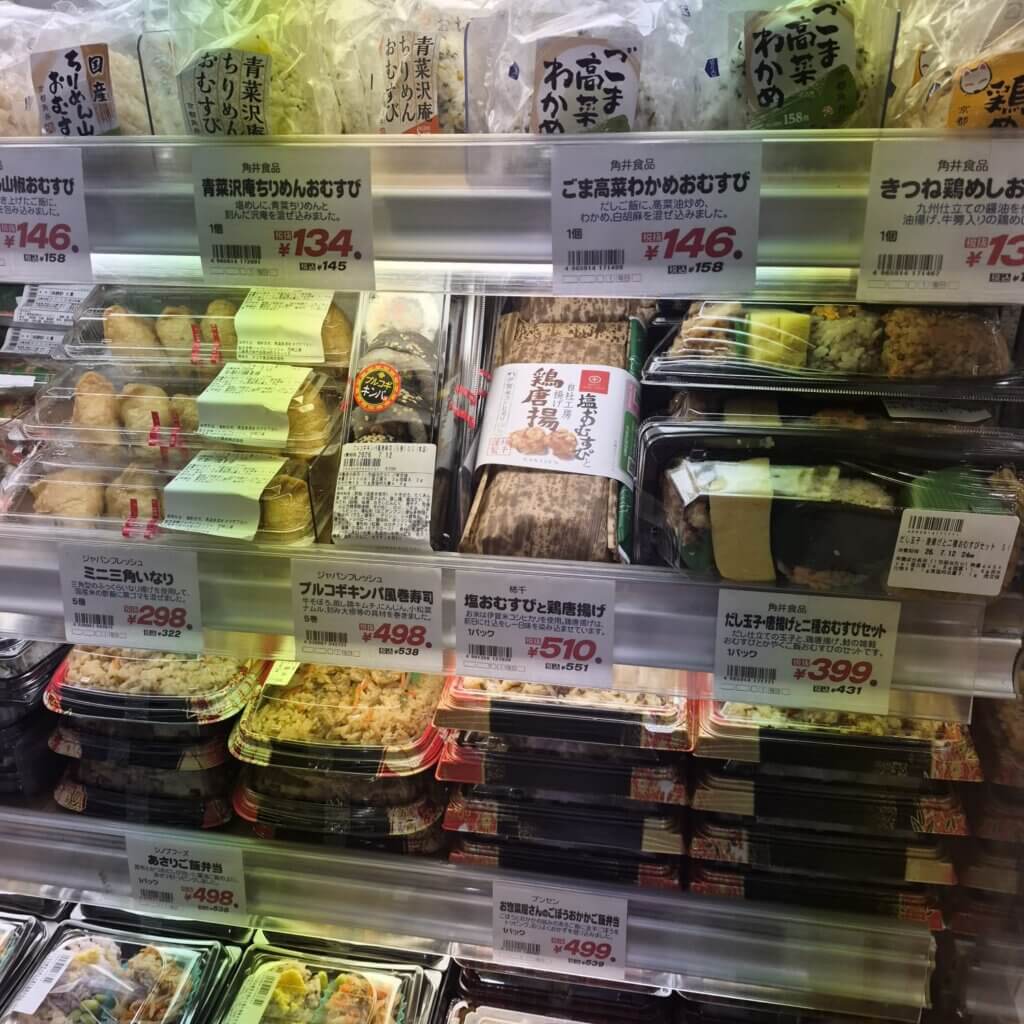
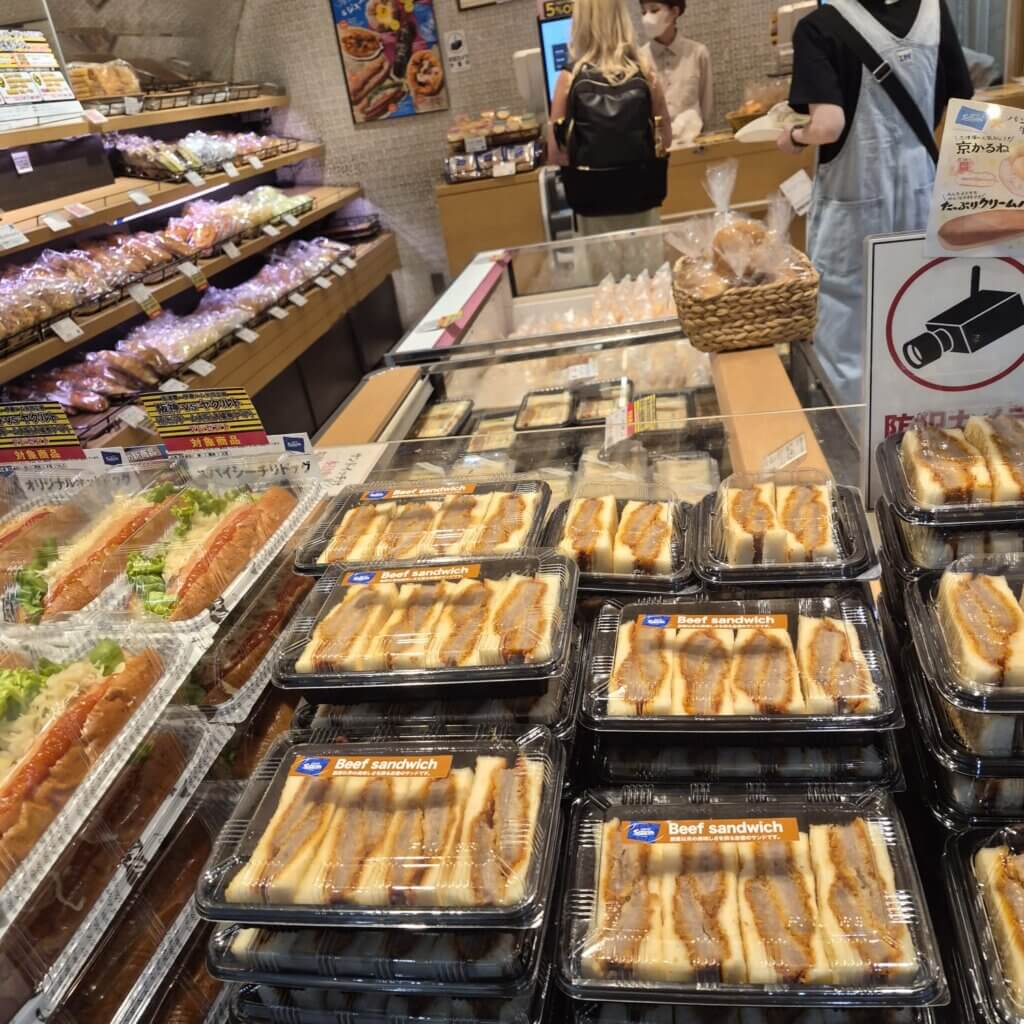
And Japanese 7-Eleven! It’s not just a convenience store. You can find proper meals, rice balls, sandwiches, instant noodles, drinks and endless snacks. I loved how easy it was to grab something simple, affordable and surprisingly delicious whenever I needed it.
Kyoto food
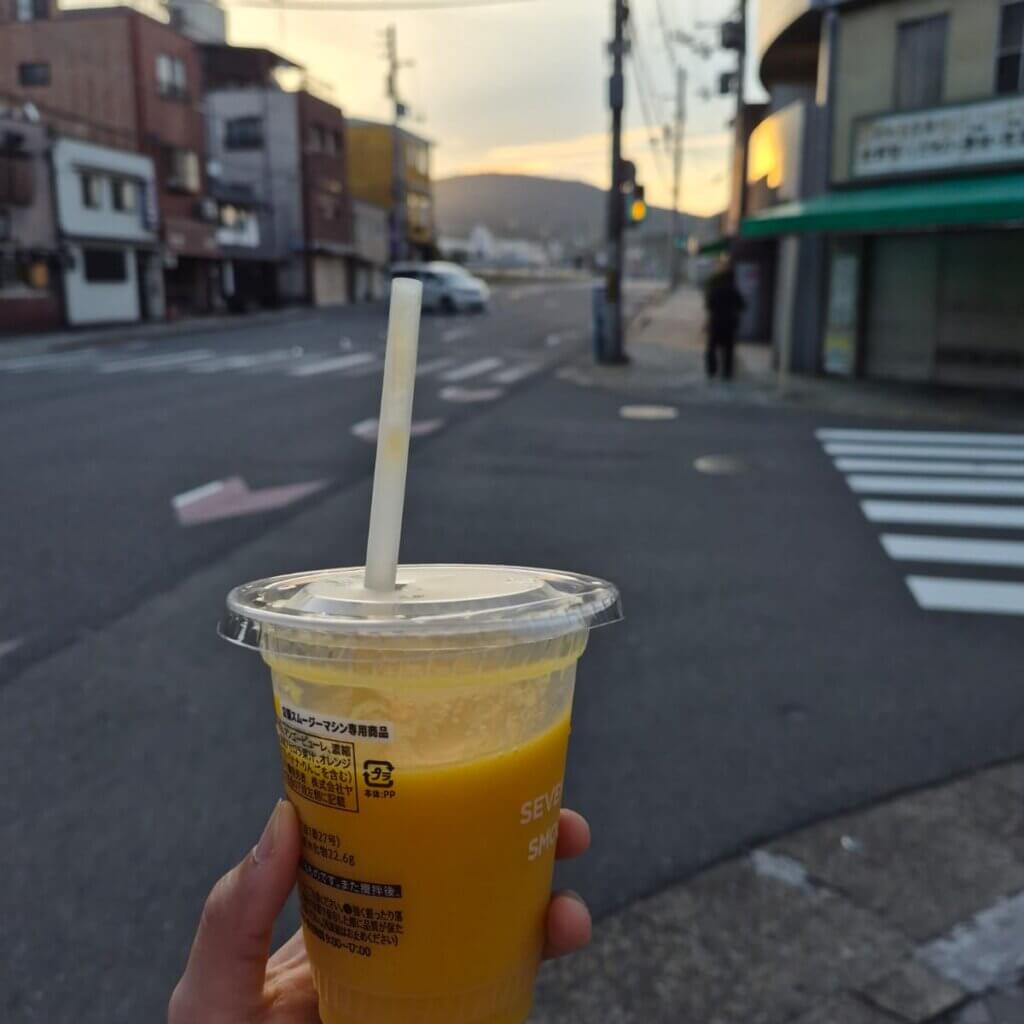
Enjoy my early morning with a mango smoothie
Japan gave me beautiful temples, peaceful gardens, delicious food and unforgettable moments. But it also taught me to slow down, listen to my body, leave room for unexpected experiences and not panic when Google Maps sends me in circles.
Japan itinerary Kyoto Osaka
Welcome to Osaka
Kyoto travel guide for solo travellers
Watching sunset in Kyoto
Enjoy my Japanese massage
Final Thoughts — Kyoto & Osaka
I didn’t want Japan to be just temples and sightseeing. I wanted to experience different sides of the country — from waking up at 5am to walk through a quiet bamboo forest, eating matcha in Uji, learning about geisha and maiko in Gion at night, exploring a tiny fishing village in Ine, relaxing in an onsen, getting lost in Daiso, and finally ending the trip surrounded by the neon lights of Dotonbori.
Japan was hot, busy and sometimes exhausting — but absolutely worth it.
Last updated on September 27th, 2026 at 09:12 am
Travelling to other parts of Asia, including China? You might also like my other travel posts!